
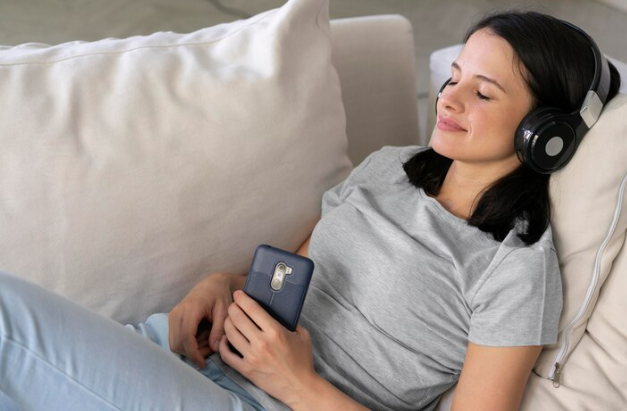
ASMR, short for Autonomous Sensory Meridian Response, is a phenomenon where certain gentle sounds or visuals trigger a feeling of relaxation, calmness, and sometimes tingling sensations in the scalp or body. In recent years, ASMR has gained popularity online, with millions of people seeking content that helps them unwind, sleep better, or relieve stress. Unlike sexualized content that may be unsafe for younger audiences or violate platform guidelines, safe ASMR triggers focus on auditory relaxation and mindfulness. This article provides a complete guide to ASMR, explaining how it works, the types of triggers commonly used, its benefits, and tips for using ASMR safely in everyday life.
What Is ASMR and How Does It Work?
ASMR is primarily a neurological response to gentle stimuli, such as soft speaking, tapping, brushing, or crinkling sounds. These sounds can activate a calming response in the brain, helping people feel relaxed and focused. Scientists studying ASMR suggest that it may reduce stress hormones, lower heart rate, and promote relaxation, though research is still ongoing. ASMR is non-invasive, safe, and can be incorporated into daily routines to enhance mental wellbeing, improve sleep, and encourage mindfulness. Understanding these responses is essential for anyone interested in using ASMR responsibly for relaxation.
Popular and Safe ASMR Triggers
There are countless ASMR triggers that are safe and non-sexualized, widely used for relaxation and stress relief:
-
Whispering and Soft Talking – Gentle speech or storytelling is one of the most popular ASMR triggers.
-
Tapping Sounds – Light tapping on objects like wood, glass, or plastic creates a soothing auditory pattern.
-
Crinkling and Paper Sounds – Wrapping paper, foil, or textured surfaces can produce calming sounds.
-
Brushing Sounds – Brushes moving over surfaces or even hair brushing are common triggers.
-
Ambient and Nature Sounds – Rain, flowing water, or soft wind noises provide relaxation without visual stimuli.
These triggers are safe, accessible, and effective for promoting mental relaxation, concentration, and even sleep.
Benefits of Using ASMR for Relaxation
ASMR offers several mental and physical benefits, especially when used consistently as part of a relaxation routine:
-
Stress Reduction – Calming sounds help lower cortisol levels and reduce anxiety.
-
Improved Sleep – Gentle triggers can help users fall asleep faster and improve sleep quality.
-
Enhanced Focus – Listening to ASMR while studying or working can improve concentration.
-
Mindfulness and Calm – Engaging with ASMR promotes awareness of gentle sensory experiences, encouraging mindfulness.
By incorporating ASMR into daily life, users can create a safe and effective tool for managing stress, improving sleep, and enhancing overall wellbeing.
Tips for Safe ASMR Use
To make the most of ASMR safely:
-
Choose Non-Sexualized Content – Focus on triggers designed for relaxation, sleep, or stress relief.
-
Use Comfortable Volume – Avoid listening at high volumes that may cause discomfort or hearing issues.
-
Create a Relaxing Environment – Dim lights, use headphones, and eliminate distractions for maximum effect.
-
Combine With Other Relaxation Techniques – Pair ASMR with deep breathing, meditation, or a bedtime routine.
-
Avoid Overuse – While ASMR is safe, excessive listening may reduce effectiveness; moderation is key.
These strategies ensure ASMR is used safely and effectively as a relaxation tool for all ages.
Conclusion
ASMR is a safe and effective method to promote relaxation, reduce stress, and improve sleep quality. By focusing on gentle, non-sexualized triggers such as whispering, tapping, and ambient sounds, users can incorporate ASMR into their daily routines responsibly. Understanding how ASMR works, choosing safe content, and applying it mindfully can enhance mental wellbeing, focus, and relaxation. Whether used for sleep, study, or mindfulness, ASMR provides a reliable, enjoyable, and safe way to unwind and take care of your mental health.
Frequently Asked Questions (FAQ)
What is ASMR?
ASMR stands for Autonomous Sensory Meridian Response, a relaxing, often tingling sensation triggered by certain gentle sounds or visuals.
Is ASMR safe?
Yes, ASMR is safe when using non-sexualized triggers like whispering, tapping, or ambient sounds.
Can ASMR help with sleep?
Yes, many users find that ASMR helps them fall asleep faster and improves sleep quality.
What are some common ASMR triggers?
Common triggers include whispering, tapping, crinkling sounds, brushing, and nature or ambient sounds.
Can children use ASMR?
Yes, safe and non-sexualized ASMR content can be used by children for relaxation, focus, or sleep, under parental guidance if needed.