
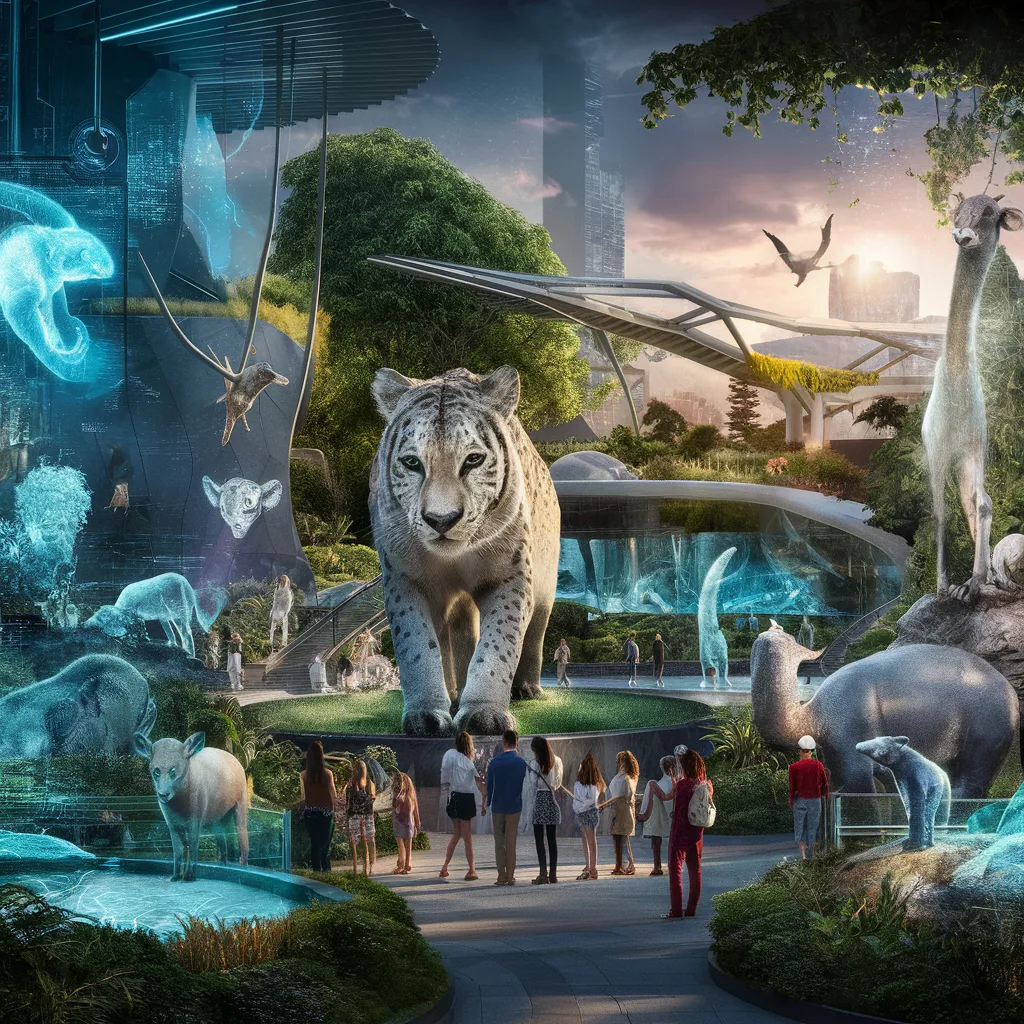
The concept of the artificial zoo is transforming the way humans experience and understand wildlife. As technology continues to evolve, the traditional model of keeping animals in captivity for public display is being challenged by digital innovation. Artificial zoos powered by virtual reality (VR), augmented reality (AR), robotics, and artificial intelligence (AI) offer immersive, educational, and ethical alternatives to conventional animal parks. These futuristic spaces allow visitors to interact with lifelike digital or robotic animals without harming real wildlife or disrupting natural ecosystems. This article explores what artificial zoos are, how they work, their potential benefits, and the ethical questions they raise about the future of human-animal interaction.
What Is an Artificial Zoo?
An artificial zoo is a technologically advanced environment that replicates the experience of observing and interacting with animals through digital or mechanical means rather than live captivity. Instead of housing real animals, these zoos use holograms, 3D projections, robotics, and AI-driven simulations to recreate lifelike animal behaviors and habitats. Visitors can witness a lion’s roar, a whale’s dive, or a bird’s flight all without the ethical and environmental concerns associated with traditional zoos. Artificial zoos aim to educate the public about biodiversity and conservation while promoting empathy for animals in a sustainable, cruelty-free way. They represent a fusion of science, art, and technology designed to inspire curiosity and respect for nature.
The Technology Behind Artificial Zoos
The success of an artificial zoo depends on cutting-edge technology that brings virtual wildlife to life. Virtual reality headsets allow visitors to step into realistic ecosystems, from African savannas to Arctic tundras, where they can observe animals behaving naturally. Augmented reality overlays digital animals onto physical spaces, creating interactive experiences that blend the real and virtual worlds. Robotics adds another dimension, with animatronic creatures that move, respond, and even “learn” through AI algorithms. These technologies work together to simulate authentic animal behavior, sound, and movement, offering an experience that is both educational and emotionally engaging. The integration of sensory effects such as temperature changes, scents, and sounds further enhances the realism, making artificial zoos a truly immersive adventure.
Ethical and Environmental Advantages
One of the most significant benefits of the artificial zoo is its ethical and environmental impact. Traditional zoos have long faced criticism for keeping animals in confined spaces, often far removed from their natural habitats. Artificial zoos eliminate the need for captivity altogether, allowing animals to remain in the wild while humans experience them virtually. This approach reduces stress and exploitation of wildlife, supports conservation efforts, and minimizes the carbon footprint associated with maintaining live animal facilities. Additionally, artificial zoos can recreate extinct or endangered species, offering educational opportunities that would otherwise be impossible. By combining technology with compassion, artificial zoos represent a major step forward in ethical wildlife education.
Educational Value and Public Engagement
The artificial zoo is not just a technological marvel it is also a powerful educational tool. These digital environments can teach visitors about animal behavior, ecosystems, and conservation in ways that traditional exhibits cannot. Interactive displays allow users to explore animal anatomy, migration patterns, and environmental challenges through hands-on learning. Artificial zoos can also adapt content for different age groups, making them suitable for schools, families, and researchers alike. By engaging the senses and emotions, these experiences foster a deeper understanding of the natural world and encourage responsible environmental stewardship. In a time when biodiversity loss is accelerating, artificial zoos can play a vital role in raising awareness and inspiring action.
The Role of Artificial Intelligence in Artificial Zoos
Artificial intelligence is at the heart of the artificial zoo experience. AI algorithms analyze real animal data such as movement patterns, vocalizations, and social interactions to create realistic digital replicas. These AI-driven animals can respond dynamically to visitors, simulating natural reactions like curiosity, fear, or playfulness. Over time, machine learning enables these virtual creatures to evolve, making each visit unique. AI also helps personalize the experience by adapting to user preferences, offering guided tours, or providing detailed information about specific species. This intelligent interactivity transforms artificial zoos from static displays into living, evolving ecosystems that mirror the complexity of the natural world.
Challenges and Criticisms
Despite their promise, artificial zoos face several challenges and criticisms. Some argue that no digital simulation can truly replace the experience of seeing real animals. Others worry that artificial zoos might reduce public support for traditional conservation efforts if people believe technology can substitute for nature. There are also concerns about accessibility, as advanced VR and AI systems can be expensive to develop and maintain. Moreover, the emotional connection between humans and animals so central to conservation advocacy may be harder to replicate in a virtual setting. To address these issues, artificial zoos must strike a balance between innovation and authenticity, ensuring that technology enhances rather than replaces humanity’s relationship with the natural world.
The Future of Artificial Zoos
The future of the artificial zoo looks promising as technology continues to advance. With improvements in AI, holography, and immersive design, artificial zoos could soon become mainstream attractions in cities around the world. They may also serve as educational hubs, research centers, and conservation platforms that connect people to wildlife in new and meaningful ways. As society becomes more environmentally conscious, artificial zoos could redefine how we learn about and protect the planet’s biodiversity. By merging science, ethics, and creativity, these digital sanctuaries have the potential to inspire a new generation of conservationists who value both innovation and empathy.
Conclusion
The artificial zoo represents a groundbreaking shift in how humans experience and understand the animal kingdom. By replacing captivity with creativity, it offers a humane, sustainable, and technologically advanced alternative to traditional zoos. Through virtual reality, robotics, and artificial intelligence, artificial zoos bring the wonders of wildlife to life without harming the creatures we admire. They educate, inspire, and challenge us to rethink our relationship with nature in an increasingly digital world. As technology evolves, artificial zoos may become not just attractions, but symbols of a future where compassion and innovation coexist in harmony.
FAQs
1. What is an artificial zoo?
An artificial zoo is a technology-based environment that uses virtual reality, robotics, and AI to simulate real animals and habitats, allowing visitors to experience wildlife without live captivity.
2. How does an artificial zoo work?
Artificial zoos use VR, AR, and AI to create lifelike digital animals that move, sound, and behave like real ones. Visitors can interact with these simulations in immersive, educational settings.
3. Are artificial zoos better for animals?
Yes. Artificial zoos eliminate the need for animal captivity, reducing stress and promoting ethical wildlife education while supporting conservation efforts.
4. Can artificial zoos help with conservation?
Absolutely. They raise awareness about endangered species, recreate extinct animals for study, and reduce the environmental impact of traditional zoos.
5. What technologies are used in artificial zoos?
Key technologies include virtual reality, augmented reality, robotics, holography, and artificial intelligence, all working together to create realistic animal experiences.
6. Are artificial zoos expensive to build?
Initially, they require significant investment in technology and infrastructure, but long-term costs are lower since they do not involve live animal care or habitat maintenance.
7. Can artificial zoos replace traditional zoos?
While they may not fully replace traditional zoos, artificial zoos offer a sustainable and ethical alternative that complements real-world conservation efforts.
8. What is the future of artificial zoos?
As technology advances, artificial zoos are expected to become more immersive, accessible, and widespread, serving as educational and conservation-focused attractions worldwide.