
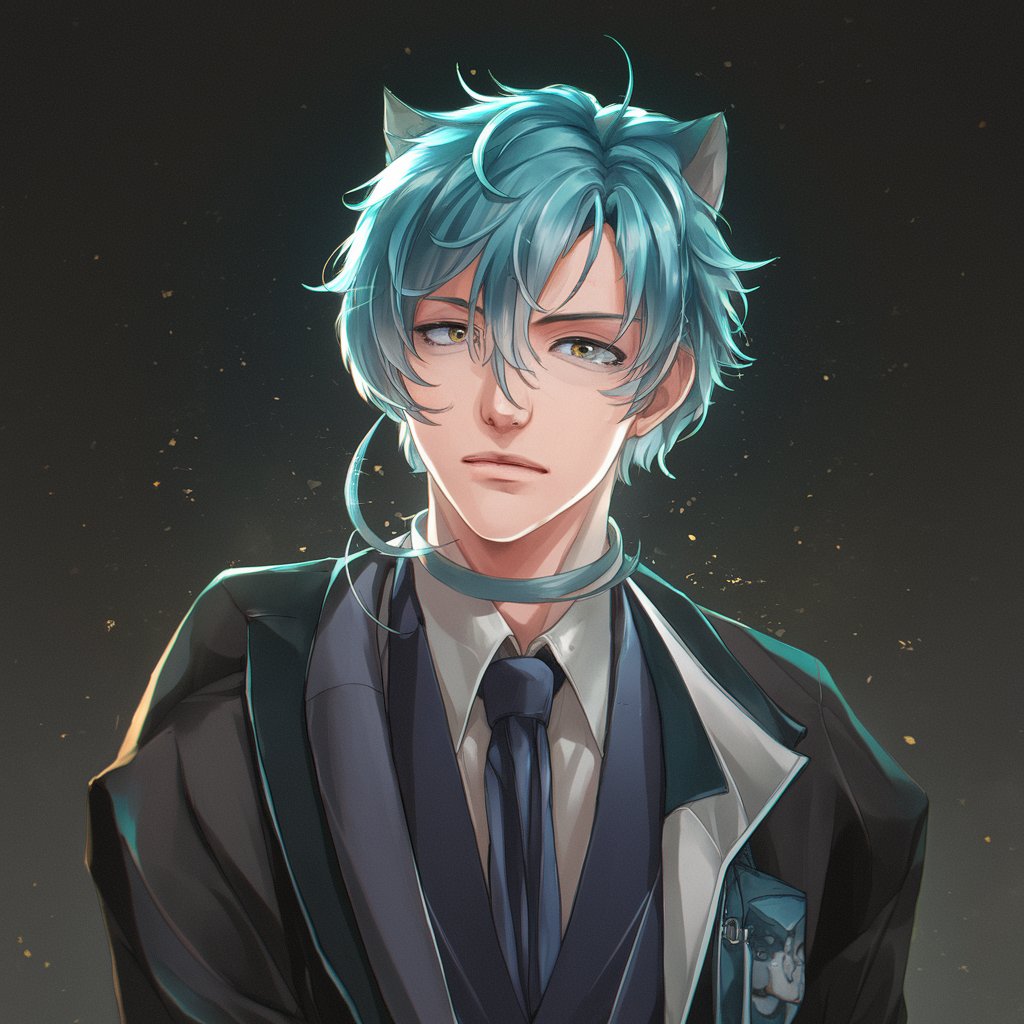
Japanese pop culture has had a powerful influence on global entertainment, inspiring communities centered around anime, manga, art styles, and creative expression. Among the many terms that appear within this ecosystem, “Doujen Moe” stands out as a phrase that blends fan creativity with a distinctive aesthetic style. While the term may sound unfamiliar to casual audiences, it is rooted in concepts that are widely recognized in anime and manga culture: doujin (fan-created works) and moe (a style expressing charm and emotional warmth). Together, Doujen Moe reflects how fans reinterpret existing artistic ideas to express admiration, creativity, and community identity. Understanding this term provides insight into how modern fandoms evolve, how language adapts online, and how artistic styles spread beyond their original cultural boundaries.
📌 What Is Doujen Moe? Meaning and Definition
Doujen Moe is a combined expression derived from two Japanese cultural concepts. The first part, doujin (often spelled “doujen” in informal or phonetic usage), refers to fan-made or independently created works, typically produced outside of major commercial publishers. These works can include illustrations, stories, or original interpretations inspired by existing media. The second part, moe, describes a soft, endearing aesthetic commonly found in anime and manga, characterized by gentle expressions, emotional warmth, and a sense of innocence or charm. When combined, Doujen Moe generally refers to fan-created content that emphasizes a moe-style visual or emotional appeal.
Rather than being a rigidly defined genre, Doujen Moe functions more as a descriptive label used by online communities to communicate style, tone, and artistic intent. It reflects how fans blend established cultural elements with their own creative interpretations, forming new expressions that resonate within niche communities while remaining accessible to broader audiences interested in anime culture.
🎨 Doujen Moe and Artistic Expression
One of the most important aspects of Doujen Moe is its connection to visual and creative expression. Artists who work within this style often focus on character design that highlights expressive eyes, gentle poses, and emotionally inviting compositions. These creative choices are not accidental; they are designed to evoke feelings of comfort, affection, or relatability in viewers. Unlike commercial productions that must follow strict branding rules, fan-created works allow artists to explore ideas more freely, which is why Doujen Moe has become associated with experimentation and personal style.
This form of expression also shows how art evolves in digital spaces. Online platforms allow creators to share their work globally, receive feedback instantly, and influence one another across cultural boundaries. As a result, Doujen Moe is not limited to Japan alone; it has become part of a global creative conversation where fans reinterpret and adapt artistic styles to suit their own perspectives and experiences.
🌐 Role of Doujen Moe in Fan Communities
Fan communities play a crucial role in shaping and sustaining the concept of Doujen Moe. These communities thrive on shared interests, mutual appreciation, and creative collaboration. Within forums, social platforms, and art-sharing websites, the term Doujen Moe helps users quickly identify content that aligns with a specific emotional and visual tone. This shared understanding strengthens community bonds and encourages participation from both creators and viewers.
Moreover, Doujen Moe highlights how fandom culture values contribution over consumption. Fans are not just passive audiences; they actively create, reinterpret, and expand upon existing ideas. This participatory culture is one of the defining characteristics of modern digital fandoms and explains why terms like Doujen Moe continue to gain recognition and relevance online.
📈 Why Doujen Moe Is Popular Online
The popularity of Doujen Moe can be attributed to several factors, including the rise of visual platforms, the global spread of anime culture, and the increasing appreciation for independent creators. Search trends show that users are often curious about unfamiliar terms they encounter on social media, art platforms, or discussion forums. Because Doujen Moe combines recognizable concepts with a unique phrasing, it naturally attracts interest and curiosity.
From an SEO perspective, Doujen Moe is also a low-competition, niche keyword, making it appealing for content creators who want to build authority around anime culture, fan art, or digital trends. Articles that explain such terms clearly and responsibly tend to perform well because they answer specific user questions while offering broader cultural context.
🧠 Conclusion
Doujen Moe represents more than just a phrase—it reflects the creativity, emotional expression, and collaborative spirit of modern anime fandom. By combining the idea of fan-created works with a soft and emotionally engaging aesthetic, the term captures how communities adapt and evolve cultural language in digital spaces. Whether viewed as an art style, a descriptive label, or a cultural trend, Doujen Moe highlights the power of fandom to shape new meanings and foster global connections. As online creativity continues to grow, terms like Doujen Moe will remain important markers of how art, language, and community intersect in the digital age.
❓ Frequently Asked Questions (FAQ)
Q1: What does Doujen Moe mean?
Doujen Moe generally refers to fan-created content that uses a gentle, emotionally appealing anime-inspired aesthetic known as “moe.”
Q2: Is Doujen Moe an official genre?
No, it is an informal term used by online communities rather than an officially defined genre.
Q3: Where is Doujen Moe commonly used?
The term is often seen on art platforms, social media, and anime-related forums where fans share creative works.
Q4: Is Doujen Moe only related to anime?
While rooted in anime and manga culture, the style and concept can influence other forms of digital art and creative expression.
Q5: Why is Doujen Moe popular in online searches?
Its uniqueness, cultural curiosity, and association with fan creativity make it a frequently searched term among anime enthusiasts.