
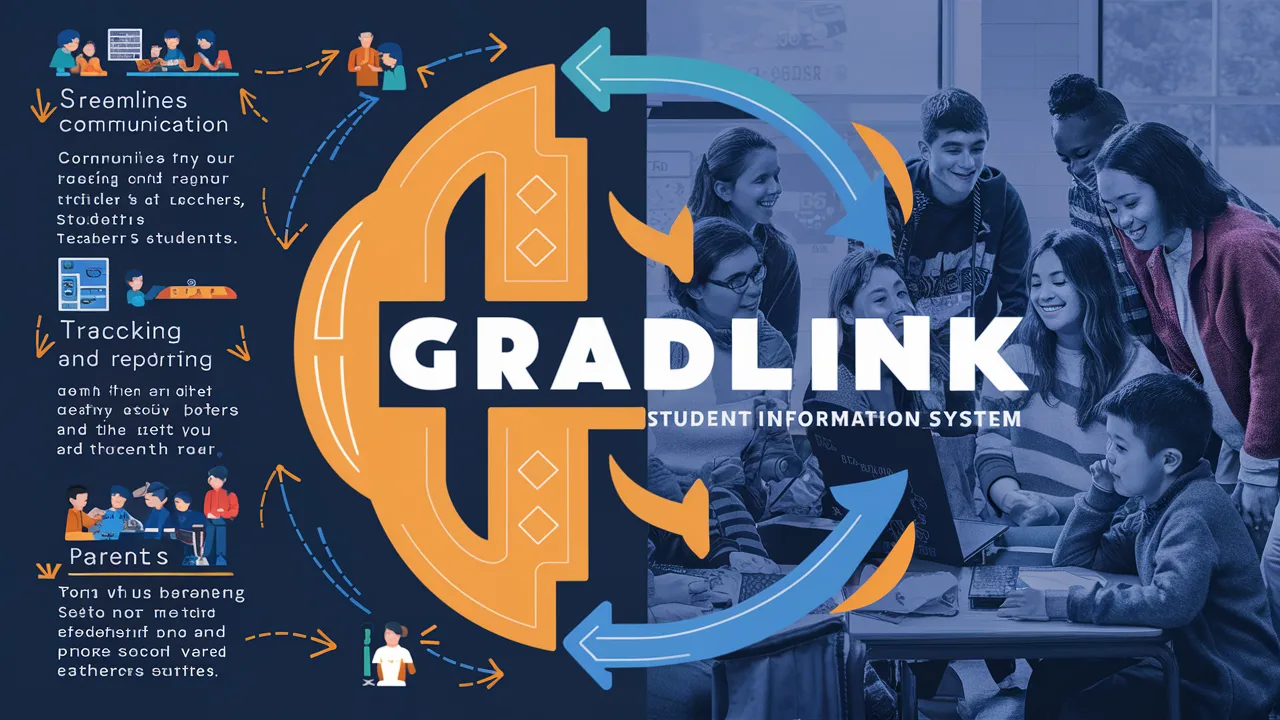
Searches for Gradelink have increased steadily as schools, parents, teachers, and administrators look for reliable student information systems that simplify academic management. Gradelink is widely recognized as a comprehensive platform designed to help schools manage grades, attendance, communication, reporting, and administrative tasks all in one place. Unlike basic gradebook tools, Gradelink focuses on creating a connected ecosystem where educators, students, and parents can access accurate information in real time.
This article provides a complete and easy-to-understand guide to Gradelink, explaining what it is, how it works, its key features, and why many schools choose it as their primary school management solution. Whether you are a school administrator evaluating software options or a parent trying to understand how Gradelink supports student progress, this guide covers everything you need to know.
What Is Gradelink?
Gradelink is a cloud-based student information system (SIS) designed primarily for K–12 schools. Its main purpose is to centralize academic data and streamline school operations by offering tools for grading, attendance tracking, scheduling, communication, and reporting. Instead of using multiple disconnected systems, schools can rely on Gradelink as a single platform that keeps information organized and accessible.
One of Gradelink’s defining strengths is its focus on usability. The system is built to be intuitive for teachers, administrators, parents, and students alike. This ease of use reduces training time and helps schools transition smoothly from older systems or manual processes.
Key Features of Gradelink
Gradelink offers a wide range of features that support daily school operations. At its core is a robust gradebook that allows teachers to enter grades, calculate averages, and provide feedback efficiently. Attendance tracking is integrated into the system, enabling schools to monitor student presence, tardiness, and absences in real time.
Another major feature of Gradelink is parent and student access. Families can log in to view grades, assignments, attendance records, and school announcements, creating transparency and encouraging active involvement in a student’s education. Communication tools allow schools to send messages, alerts, and updates directly through the platform, reducing reliance on paper notices or fragmented email systems.
Gradelink also includes reporting tools that help administrators generate transcripts, progress reports, and compliance documentation. These tools save time and reduce the risk of errors, especially during grading periods or audits.
How Schools Use Gradelink in Daily Operations
Schools use Gradelink to manage both academic and administrative responsibilities more efficiently. Teachers rely on it to organize coursework, track student performance, and communicate expectations clearly. Administrators use the platform to oversee enrollment, scheduling, and reporting, gaining valuable insights into school-wide performance trends.
Because Gradelink is cloud-based, it allows access from anywhere, making it particularly useful for schools with remote learning components or multiple campuses. This flexibility ensures continuity and consistency across departments.
Benefits of Using Gradelink
One of the biggest benefits of Gradelink is improved communication. By keeping parents informed about grades and attendance, schools can address issues early and support student success more effectively. The platform also reduces administrative workload by automating repetitive tasks, allowing staff to focus on teaching and student engagement.
Accuracy is another major advantage. Centralized data reduces duplication and errors, ensuring that everyone is working with the same up-to-date information. Over time, this leads to better decision-making and stronger school accountability.
Who Should Use Gradelink?
Gradelink is designed for private and independent schools, charter schools, and other K–12 institutions looking for a comprehensive yet user-friendly SIS. It is particularly well-suited for schools that want strong parent engagement without overly complex systems.
Parents and students also benefit from Gradelink’s clear interface and easy access to academic information, making it a valuable tool for the entire school community.
Gradelink and Educational Technology Trends
As schools increasingly adopt digital tools, fits well within broader educational technology trends focused on data-driven instruction and transparency. Platforms like support personalized learning by giving educators insights into student progress while keeping families informed and involved.
This alignment with modern education practices helps explain why Gradelink remains a popular choice among schools seeking long-term, scalable solutions.
Conclusion
Gradelink stands out as a reliable and comprehensive student information system that simplifies school management while strengthening communication between educators, students, and parents. Its intuitive design, powerful features, and focus on accuracy make it an effective solution for schools aiming to modernize their operations. By centralizing academic data and streamlining daily tasks, Gradelink supports better educational outcomes and a more connected school community.
Frequently Asked Questions (FAQ)
What is Gradelink used for?
Gradelink is used to manage grades, attendance, communication, reporting, and student records in K–12 schools.
Is Gradelink only for teachers and administrators?
No, Gradelink also provides access for parents and students, allowing them to view grades, attendance, and school updates.
Is Gradelink difficult to use?
Gradelink is designed to be user-friendly, with an intuitive interface that requires minimal training.
What types of schools use Gradelink?
Gradelink is commonly used by private schools, charter schools, and other K–12 institutions.
Does Gradelink support online access?
Yes, Gradelink is cloud-based, allowing users to access the system from anywhere with an internet connection.