
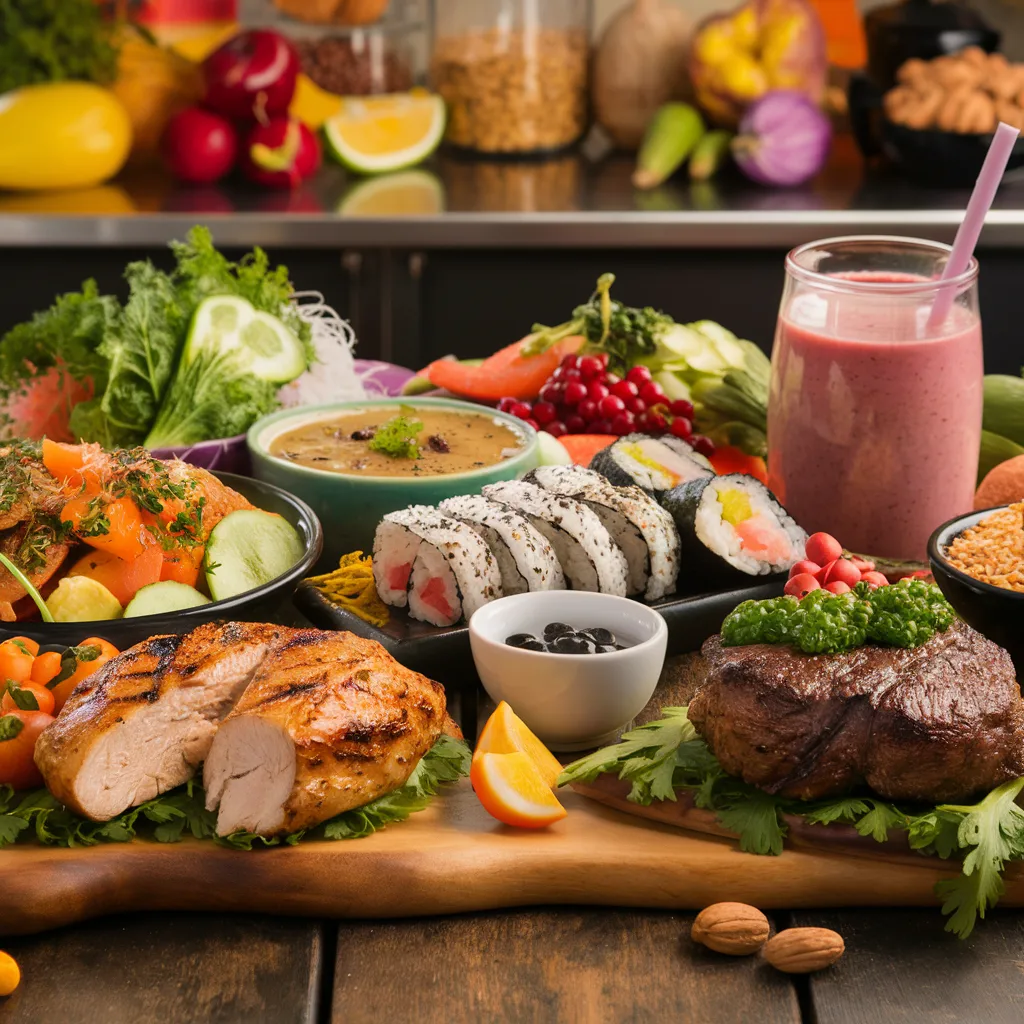
In today’s fast-paced world, maintaining a balanced diet that supports energy, strength, and overall health has become more important than ever. Among the essential nutrients, protein stands out as a cornerstone of good nutrition. It plays a vital role in building and repairing tissues, supporting metabolism, and maintaining muscle mass. Whether the goal is to lose weight, gain muscle, or simply eat healthier, incorporating high protein recipes into daily meals can make a significant difference. These recipes are not only nutritious but also flavorful and satisfying, proving that healthy eating doesn’t have to be boring or restrictive. This article explores the benefits of high protein meals, provides examples of delicious recipes, and explains how to create balanced dishes that fuel the body and mind.
The Importance of Protein in a Healthy Diet
Protein is one of the three macronutrients essential for human health, alongside carbohydrates and fats. It is made up of amino acids, which are the building blocks of muscles, skin, enzymes, and hormones. Consuming enough protein helps maintain lean body mass, supports immune function, and promotes recovery after exercise. For those pursuing fitness goals, high protein recipes are particularly beneficial because they help repair muscle tissue and reduce hunger by increasing satiety. Unlike simple carbohydrates that cause quick spikes in blood sugar, protein provides sustained energy throughout the day. Including protein-rich foods in every meal ensures that the body receives a steady supply of nutrients necessary for optimal performance and well-being.
Benefits of High Protein Recipes
The advantages of incorporating high protein recipes into a daily diet extend beyond muscle growth. One of the most notable benefits is improved weight management. Protein helps control appetite by reducing levels of the hunger hormone ghrelin while increasing the production of peptide YY, a hormone that promotes fullness. This means that high protein meals can naturally reduce calorie intake without the need for strict dieting. Additionally, protein has a higher thermic effect than fats or carbohydrates, meaning the body burns more calories digesting it. High protein diets also help stabilize blood sugar levels, making them ideal for individuals managing diabetes or insulin resistance. Beyond physical health, protein-rich meals contribute to better mental focus and sustained energy, making them a smart choice for busy lifestyles.
Key Ingredients for High Protein Recipes
Creating high protein recipes starts with choosing the right ingredients. Lean meats such as chicken breast, turkey, and fish are excellent sources of complete protein, providing all essential amino acids. For plant-based eaters, options like lentils, chickpeas, quinoa, tofu, tempeh, and edamame offer substantial protein content along with fiber and antioxidants. Eggs, Greek yogurt, and cottage cheese are versatile ingredients that can be used in both savory and sweet dishes. Nuts, seeds, and protein powders can also boost the protein content of smoothies, snacks, and baked goods. Combining different protein sources ensures a balanced intake of amino acids and adds variety to meals. The key is to pair protein with complex carbohydrates and healthy fats for a well-rounded, nutrient-dense diet.
Examples of High Protein Recipes
There are countless ways to enjoy high protein recipes without sacrificing flavor. For breakfast, a spinach and mushroom omelet with feta cheese provides a satisfying start to the day. A smoothie made with Greek yogurt, almond butter, and chia seeds offers a quick, portable option for busy mornings. For lunch, grilled chicken salad with quinoa, avocado, and mixed greens delivers a perfect balance of protein, fiber, and healthy fats. Dinner could feature baked salmon with roasted vegetables and a side of lentils, combining omega-3 fatty acids with plant-based protein. For snacks, roasted chickpeas, protein bars, or cottage cheese with berries make excellent choices. These recipes demonstrate that high protein meals can be both delicious and diverse, catering to different tastes and dietary preferences.
High Protein Recipes for Weight Loss
When it comes to weight management, high protein recipes play a crucial role in promoting fat loss while preserving lean muscle mass. Protein-rich meals help reduce cravings and prevent overeating by keeping hunger under control. For those aiming to lose weight, it’s important to focus on lean protein sources and avoid excessive fats or sugars. Grilled chicken with steamed vegetables, turkey chili, and shrimp stir-fry are excellent examples of low-calorie, high-protein dishes. Plant-based options like lentil soup, tofu stir-fry, or quinoa salad with black beans are equally effective for vegetarians and vegans. By combining protein with fiber-rich vegetables and whole grains, these meals provide long-lasting satisfaction and steady energy, making it easier to maintain a calorie deficit without feeling deprived.
High Protein Recipes for Muscle Gain
For individuals focused on building muscle, high protein recipes are essential for supporting recovery and growth. After intense workouts, the body requires amino acids to repair muscle fibers and stimulate new tissue formation. Meals that combine protein with complex carbohydrates help replenish glycogen stores and enhance muscle recovery. Examples include grilled steak with sweet potatoes, chicken and brown rice bowls, or salmon with quinoa and asparagus. Smoothies made with whey protein, banana, and oats are also effective post-workout options. Consistency is key spreading protein intake evenly throughout the day ensures that muscles receive a steady supply of nutrients for optimal growth.
How to Incorporate High Protein Recipes into Daily Life
Adopting a high protein diet doesn’t have to be complicated. Planning meals ahead of time and preparing ingredients in bulk can make it easier to stay consistent. Start by including a source of protein in every meal, whether it’s eggs for breakfast, legumes for lunch, or fish for dinner. Experiment with different cooking methods such as grilling, baking, or stir-frying to keep meals interesting. For snacks, choose protein-rich options like nuts, yogurt, or boiled eggs instead of processed foods. Tracking daily protein intake can also help ensure that nutritional goals are met. With a little creativity and preparation, high protein recipes can become a natural and enjoyable part of everyday eating.
Conclusion
Incorporating high protein recipes into a daily diet is one of the most effective ways to support overall health, fitness, and well-being. Protein is essential for building muscle, maintaining energy, and promoting satiety, making it a cornerstone of balanced nutrition. From hearty breakfasts to satisfying dinners, high protein meals can be both nourishing and delicious. Whether the goal is weight loss, muscle gain, or simply healthier eating, these recipes provide the foundation for long-term success. By choosing wholesome ingredients and embracing variety, anyone can enjoy the benefits of a protein-rich lifestyle that fuels the body and mind.
FAQs
1. What are high protein recipes?
High protein recipes are meals that contain a significant amount of protein from sources such as meat, fish, eggs, dairy, legumes, or plant-based alternatives.
2. Why are high protein recipes important?
They support muscle growth, aid in weight management, improve metabolism, and help maintain energy levels throughout the day.
3. How much protein should be consumed daily?
The recommended intake varies by age, activity level, and goals, but most adults benefit from 0.8 to 1.2 grams of protein per kilogram of body weight daily.
4. Can vegetarians follow high protein recipes?
Yes. Plant-based proteins like lentils, tofu, quinoa, and beans provide excellent alternatives to animal-based sources.
5. Are high protein recipes good for weight loss?
Yes. Protein helps reduce hunger, increase satiety, and preserve lean muscle mass during calorie restriction.
6. What are some quick high protein snacks?
Greek yogurt, boiled eggs, protein shakes, nuts, and cottage cheese are convenient and nutritious options.
7. Can high protein diets be unhealthy?
When balanced with vegetables, whole grains, and healthy fats, high protein diets are safe. However, excessive protein intake without hydration or fiber can strain the kidneys.
8. How can I make high protein recipes more flavorful?
Use herbs, spices, citrus, and healthy marinades to enhance taste without adding unnecessary calories or sodium.
9. What are the best high protein breakfast ideas?
Omelets, protein pancakes, Greek yogurt parfaits, and smoothies with protein powder are excellent morning options.
10. Can high protein recipes help build muscle?
Yes. Consuming adequate protein, especially after workouts, supports muscle repair and growth when combined with strength training.