
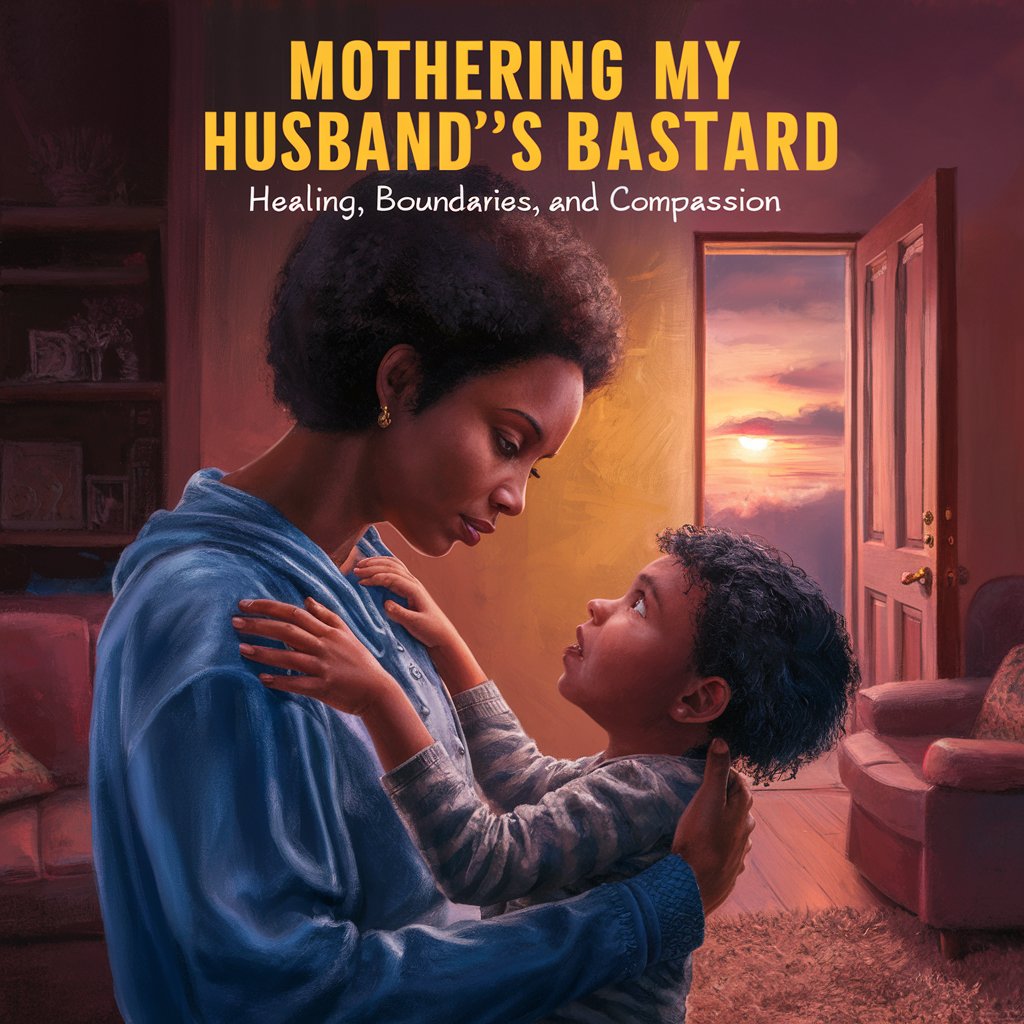
Few family situations are as emotionally complex as mothering my husband’s bastard, a phrase many people search when they are struggling to understand their role in a blended family formed after betrayal or unexpected circumstances. Behind this keyword is often a woman facing grief, anger, confusion, and responsibility all at once, while also trying to do what is best for a child who did not choose their circumstances. In modern families, situations like this are more common than openly discussed, and many people turn to the internet seeking clarity, reassurance, and emotional guidance. This article explores the meaning behind the phrase, the emotional realities involved, and how individuals navigate the difficult process of parenting a child born outside their marriage with empathy, boundaries, and resilience.
What Does “Mothering My Husband’s Bastard” Mean?
The phrase mothering my husband’s bastard is often used online to describe the experience of raising or caring for a child conceived outside a marriage. While the wording itself is emotionally charged, the underlying situation usually reflects deep pain, moral conflict, and personal sacrifice. In reality, this experience is less about labels and more about navigating responsibility, forgiveness, and emotional survival. Many individuals searching this term are not seeking controversy, but rather understanding and reassurance that their feelings—whether resentment, compassion, or confusion—are valid and human.
Emotional Challenges in This Family Dynamic
One of the greatest difficulties in mothering my husband’s bastard is separating the child from the circumstances of their birth. Emotionally, this can be overwhelming, especially when betrayal is still fresh. Feelings of anger toward a partner can unintentionally surface during parenting moments, creating guilt and internal conflict. Over time, many caregivers struggle with identity questions, asking whether love is required, whether boundaries are acceptable, and how to protect their own mental health while still acting responsibly toward the child. These emotional layers are complex and deserve acknowledgment rather than silence.
The Child’s Perspective and Emotional Needs
An essential aspect often overlooked in discussions around mothering my husband’s bastard is the child’s experience. The child did not choose their situation and may grow up sensing emotional distance or tension within the household. Providing stability, consistency, and respect can make a significant difference in their emotional development. While biological connection is absent, presence and emotional safety often matter more in shaping a child’s sense of belonging. Many blended families succeed not through forced affection, but through mutual respect and predictable care.
Boundaries, Responsibility, and Self-Preservation
It is important to understand that mothering my husband’s bastard does not require self-erasure. Healthy boundaries are not acts of cruelty; they are tools for sustainability. Some caregivers choose a nurturing parental role, while others maintain a supportive but limited position. Both approaches can be valid depending on emotional capacity and family structure. Seeking counseling, support groups, or private reflection can help individuals decide what role feels ethical and emotionally safe without causing long-term resentment or burnout.
Why This Topic Is Searched So Often
The increasing search volume for mothering my husband’s bastard reflects a lack of open discussion around unconventional family structures. Many people feel ashamed to speak openly about these situations, fearing judgment or misunderstanding. As a result, they turn to anonymous searches online. From an SEO standpoint, this keyword carries strong emotional intent, and content that addresses it with empathy, clarity, and maturity is far more likely to perform well on Google than sensationalized or judgmental writing.
SEO Value and Content Strategy
From an S E O perspective, this keyword performs best when surrounded by contextual, supportive, and informative content. Search engines increasingly reward content that demonstrates experience, emotional insight, and responsibility. Using related phrases such as blended family challenges, parenting after infidelity, and step-parent emotional health strengthens topical authority while keeping the article suitable for broader audiences and monetization standards.
Conclusion
Mothering my husband’s bastard is not a story of labels, but of deeply human struggle, responsibility, and choice. Behind the phrase lies a reality shaped by pain, resilience, and difficult moral decisions. By approaching this situation with emotional honesty, boundaries, and compassion, many individuals find ways to move forward without denying their own well-being or the dignity of the child involved. This article aims to provide understanding rather than judgment, offering clarity to those navigating one of the most challenging family dynamics in modern life.
Frequently Asked Questions (FAQ)
What does “mothering my husband’s bastard” refer to?
It commonly refers to caring for or raising a child born outside a marriage, often following infidelity.
Is it normal to feel conflicted in this situation?
Yes, mixed emotions such as anger, guilt, compassion, and confusion are very common.
Do I have to love the child to be a good caregiver?
No. Respect, consistency, and fairness matter more than forced emotional attachment.
How can boundaries help in blended families?
Boundaries protect emotional health and reduce resentment while allowing stability for the child.
Is counseling helpful in these situations?
Yes, professional guidance can help individuals process emotions and define healthy roles.