
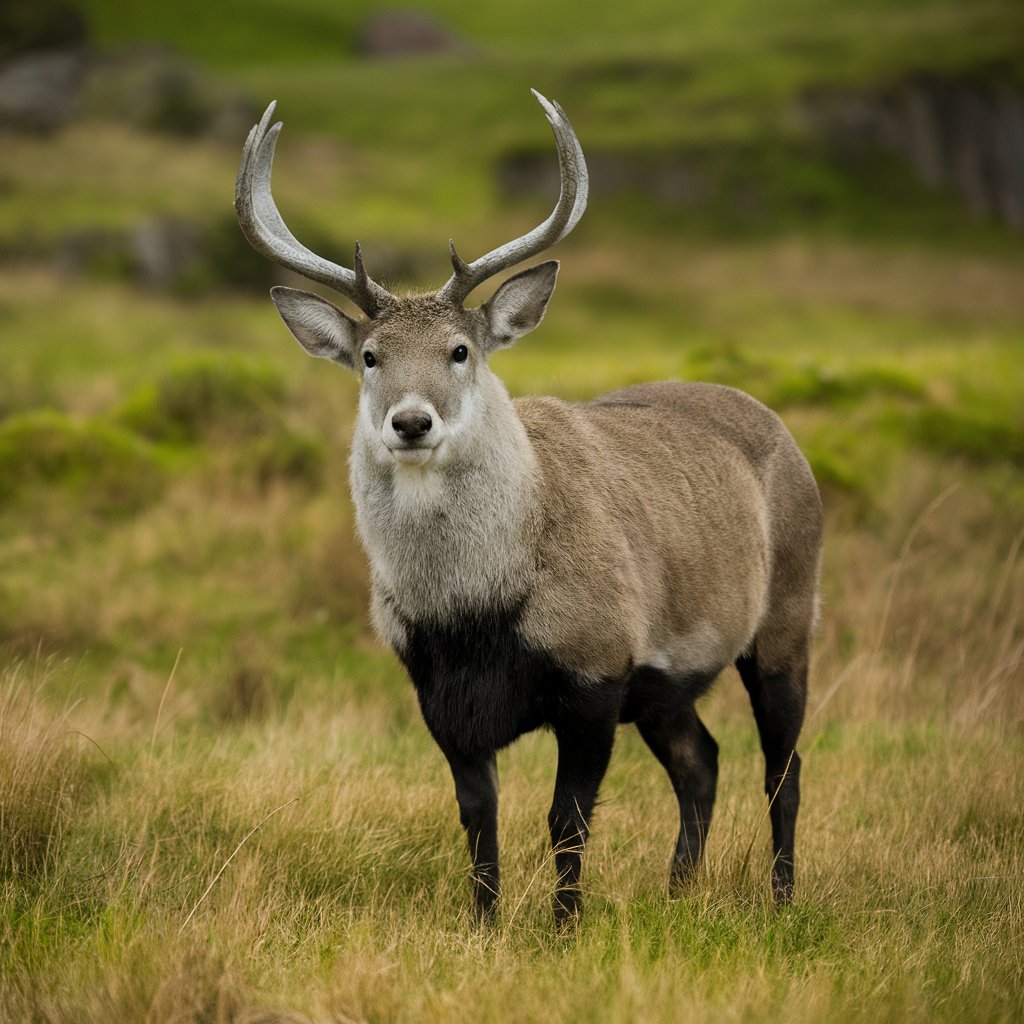
In Norway, managing the rich tapestry of wildlife that roams its forests, mountains, marshes, and fjords is not left to chance, centralized decree, or remote authorities. Instead, a unique local governance system called Viltnemnda — literally “the wildlife committee* — takes responsibility for overseeing wildlife within municipal boundaries, ensuring that conservation, hunting, public safety, and human‑wildlife coexistence are balanced in ways that reflect both national legislation and local realities. Viltnemnda exists throughout Norway as a municipal wildlife board or committee that works under the authority of laws such as the Wildlife Act (Viltloven) and the Nature Diversity Act (Naturmangfoldloven) to translate high‑level environmental objectives into practical, locally appropriate actions. From regulating hunting quotas based on scientific data to coordinating responses to large‑animal accidents on roads and mediating disputes over crop damage, Viltnemnda plays a vital role in Norway’s environmental governance framework — acting as an essential bridge between citizens, governments, hunters, farmers, conservationists, and everyone else affected by wildlife management decisions.
What Viltnemnda Is and Why It Matters
At its core, Viltnemnda is a local wildlife committee that has legal authority to deal with wildlife issues at the municipal level in Norway. The word itself combines “vilt” (wildlife) and “nemnda” (committee or board), implying a group appointed to oversee animal populations, hunting, and nature‑related conflicts in a given region. Each municipality in Norway can establish a viltnemnda to manage species such as moose, deer, roe deer, wild boar, beaver, and countless smaller mammals and birds that interact with human activity. Its existence supports Norway’s locally adapted but nationally consistent approach to wildlife governance, ensuring that decisions are informed both by ecological science and the lived experiences of local residents.
Viltnemnda matters not just because it issues permits, but because it represents a democratic, evidence‑informed, and community‑oriented model of wildlife governance. By operating within clearly defined legal frameworks — including the Wildlife Act (which sets rules for hunting and wildlife use) and the Nature Diversity Act (which emphasizes biodiversity and sustainability) — the committee brings structure and accountability to decisions that affect biodiversity, public safety, and economic interests such as farming and forestry.
Core Roles and Responsibilities of Viltnemnda
The functions of Viltnemnda are broad but interrelated, encompassing wildlife conservation, public safety, hunting regulation, and community engagement. One of its primary tasks is hunting regulation: analyzing population data and local ecosystem conditions to propose or approve hunting quotas that ensure species remain at healthy levels without over‑exploitation. By issuing permits based on scientific assessments and ecological monitoring, the committee helps maintain ecological balance while preserving a tradition of sustainable hunting that is woven into Norwegian culture.
Another vital role is managing human‑wildlife conflict — a growing concern as human activity expands into wildlife habitats. Viltnemnda handles cases where animals damage crops, damage property, or pose risks on roads; it assesses these situations and may recommend compensation, grant special permissions for damage mitigation, or suggest preventive measures like fencing or wildlife corridors. This conflict management role helps protect both landowner interests and the animals themselves, reducing tensions and encouraging coexistence.
Moreover, Viltnemnda coordinates responses to wildlife accidents and injured animals, working with local authorities, veterinarians, and response teams to ensure that injured game is treated humanely and that roadkill is handled in a way that minimizes further hazards. Such efforts are especially important in Norway, where intersections between traffic and wildlife — particularly large mammals like moose or deer — are common.
Beyond immediate response actions, the committee also plays a monitoring and advisory role, collecting data via surveys, camera traps, hunter reports, GPS tracking, and other technologies to understand population dynamics and habitat health. This information informs future decisions on quotas, conservation strategies, and habitat protection efforts.
Structure, Membership, and Local Involvement
Viltnemnda’s effectiveness stems from its collaborative and locally grounded structure. Committees typically consist of several appointed members — often including hunters, farmers or landowners, municipal officials, environmental experts, and occasionally representatives of civil society — reflecting a diversity of perspectives and expertise.
This helps the committee design policies and responses that are more effective and socially accepted.
Balancing Conservation, Safety, and Local Interests
One of the hallmarks of Viltnemnda’s work is balancing environmental goals with economic and social needs. For example, decisions about hunting quotas must account for animal population health, habitat conditions, and the potential impacts on farmers and landowners. Similarly, handling crop damage or livestock losses requires a careful evaluation of ecological data, fairness principles, and practical mitigation strategies. By involving stakeholders from various sectors — such as agriculture, forestry, conservation, and local government — viltnemnda can make decisions that are fair, pragmatic, and sustainable.
This balancing act extends to education and public awareness. Viltnemnda often takes on a communicative role, helping the public understand wildlife behavior, ethical hunting practices, safe coexistence strategies, and how to report incidents or provide observation data. These engagement efforts foster community responsibility and strengthen cooperation between citizens and wildlife managers.
Challenges in Wildlife Management and Viltnemnda’s Evolving Role
Despite its strengths, Viltnemnda faces several modern challenges. Climate change, habitat loss, increased urban expansion, and shifting animal migration patterns demand adaptive management strategies that can respond quickly to change. Roads continue to intersect wildlife corridors, increasing the risk of collisions; crop damage remains a concern in agricultural regions; and balancing conservation and human interests will continue to require careful negotiation.
Responding effectively to these challenges means that Viltnemnda must remain flexible, well‑informed, and supported by both science and community cooperation. Its continued collaboration with national authorities, conservation organizations, research institutions, and citizen observers strengthens its capacity to protect biodiversity while safeguarding human interests.
Conclusion
Viltnemnda stands as a cornerstone of Norway’s wildlife management philosophy, offering a model of local governance that is democratic, data‑driven, and deeply rooted in community participation. By regulating hunting, managing human‑wildlife conflicts, responding to wildlife accidents, and advising on conservation and habitat protection, these committees ensure that wildlife populations remain healthy and ecosystems resilient. Their work demonstrates how local action — supported by national law and scientific guidance — can create sustainable coexistence between humans and nature. As environmental challenges grow more complex, the role of Viltnemnda continues to be vital in preserving Norway’s rich natural heritage for future generations.
❓ Frequently Asked Questions (FAQ)
Q1: What does “Viltnemnda” mean?
“Viltnemnda” translates to “wildlife committee” in Norwegian. It refers to municipal‑level boards responsible for wildlife management, including hunting regulation, conflict resolution, and animal welfare.
Q2: What laws govern Viltnemnda’s work?
Viltnemnda operates under key national legislation such as the Wildlife Act (Viltloven), which regulates hunting and wildlife use, and the Nature Diversity Act (Naturmangfoldloven), which mandates sustainable biodiversity management.
Q3: What responsibilities does Viltnemnda have?
Its core tasks include regulating hunting quotas, handling wildlife accidents and injured animals, managing wildlife damage and compensation, and advising on habitat protection and conservation.
Q4: Who serves on Viltnemnda?
Committees typically include local representatives such as hunters, farmers or landowners, environmental or wildlife experts, and municipal officials, ensuring a mix of expertise and community perspectives.
Q5: How can citizens interact with Viltnemnda?
Residents can report wildlife sightings or accidents, participate in consultations or public meetings, provide local wildlife data, and engage with educational initiatives facilitated by the committee.