
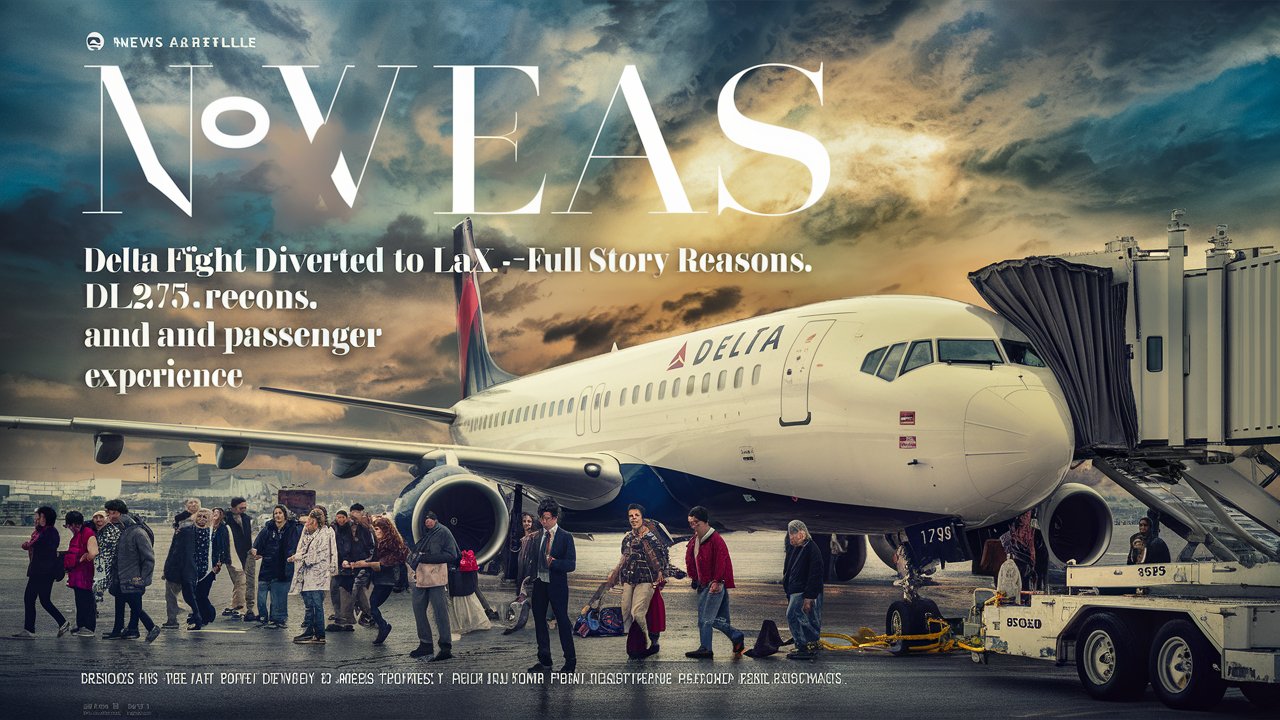
Delta Flight DL275 diverted to LAX has become a major topic of discussion among travelers and aviation enthusiasts after the unexpected mid-air diversion. The flight, which was originally scheduled to travel from Tokyo’s Haneda Airport to Seattle-Tacoma International Airport, was forced to change course and land at Los Angeles International Airport (LAX) due to unforeseen circumstances. While diversions can cause inconvenience, they are often necessary to ensure the safety and well-being of passengers and crew. This incident highlights the complexity of modern aviation operations and the importance of safety-first decision-making in the airline industry. In this article, the reasons behind the diversion, the passenger experience, and Delta Airlines’ response will be explored in detail, along with insights into how such situations are managed in global aviation.
The Incident: Delta Flight DL275 Diverted to LAX
The Delta Flight DL275 diversion to LAX occurred during a transpacific journey from Tokyo’s Haneda Airport to Seattle. Midway through the flight, the crew made the decision to divert to Los Angeles International Airport due to operational concerns that required immediate attention. While Delta Airlines has not disclosed every detail, the decision to divert was made in accordance with strict aviation safety protocols.
Upon landing at LAX, the aircraft was met by ground crews, maintenance teams, and emergency personnel to assess the situation. Passengers were informed promptly and provided with assistance, including rebooking options and accommodations if necessary. Although diversions can cause inconvenience, they are always executed with passenger safety as the top priority. The professionalism of the Delta crew ensured that the situation was handled calmly and efficiently, minimizing disruption and maintaining confidence among travelers.
Possible Reasons Behind the Diversion
The reasons for Delta Flight DL275 being diverted to LAX can vary, as diversions are typically caused by one or more operational factors. One of the most common reasons for such diversions is medical emergencies. If a passenger or crew member experiences a serious health issue, pilots are trained to land at the nearest suitable airport to ensure immediate medical attention.
Another possible cause could be technical or mechanical issues. Aircraft systems are constantly monitored during flight, and even minor irregularities can prompt precautionary landings. Delta’s maintenance teams are known for their rigorous safety standards, and any potential issue is addressed immediately to prevent risk.
Weather conditions can also play a role. Severe turbulence, strong headwinds, or storms near the destination can make landing unsafe, prompting pilots to divert to an alternate airport with better conditions. Additionally, air traffic control restrictions or fuel management considerations may influence such decisions. Regardless of the reason, Delta’s swift action in diverting the flight underscores its commitment to safety and operational excellence.
Passenger Experience During the Diversion
For passengers aboard Delta Flight DL275, the diversion to LAX was an unexpected turn in their journey. Reports from travelers indicate that the crew maintained professionalism and calm throughout the process, providing timely updates and reassurance. The cabin crew’s communication played a crucial role in minimizing anxiety and ensuring that passengers remained informed about the situation.
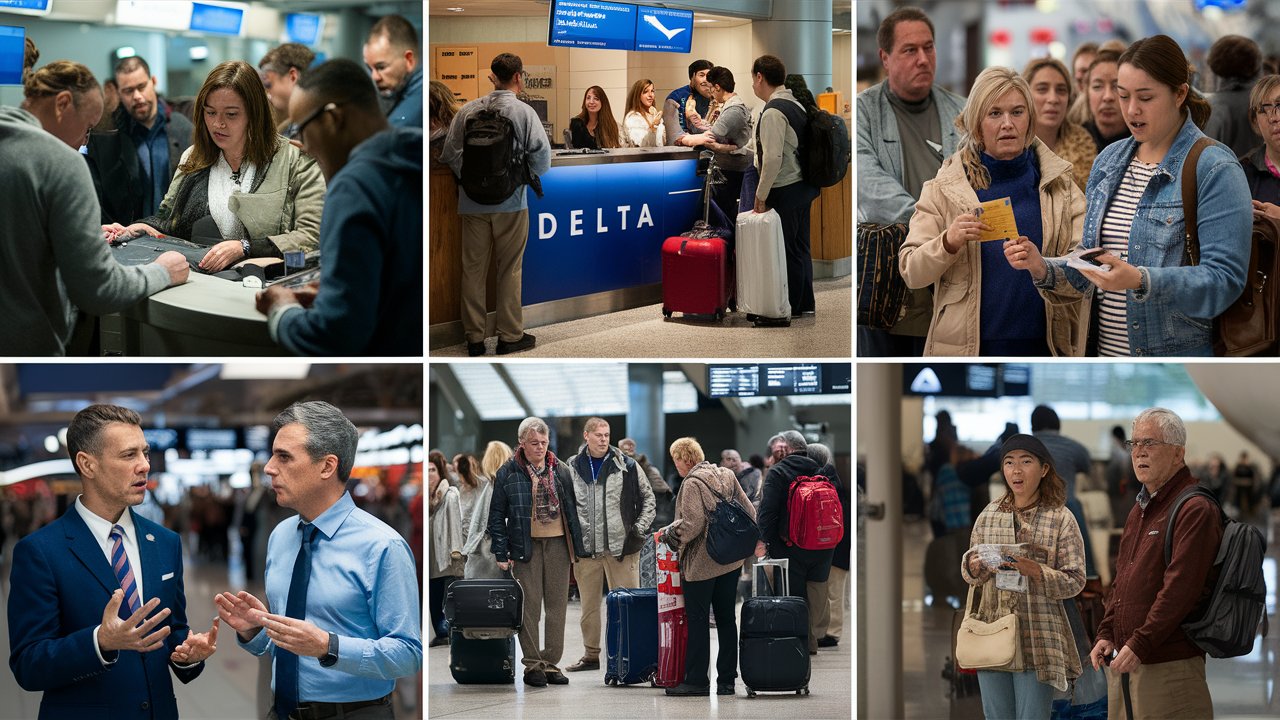
Upon arrival at Los Angeles International Airport, passengers were assisted by Delta’s ground staff, who coordinated rebooking for connecting flights and provided refreshments and accommodations where necessary. While diversions can cause delays and inconvenience, most passengers expressed appreciation for the airline’s transparency and focus on safety. The incident also highlighted the importance of well-trained flight crews capable of handling unexpected situations with efficiency and empathy.
Delta Airlines’ Response and Safety Protocols
Delta Airlines’ response to the DL275 diversion was swift and organized. The airline issued a statement confirming the diversion and emphasizing that the decision was made out of an abundance of caution. Delta’s operational teams worked closely with airport authorities and maintenance crews to inspect the aircraft and ensure that all systems were functioning properly before resuming operations.
Delta’s safety protocols are among the most rigorous in the aviation industry. Every flight is monitored in real time by the airline’s operations control center, which can provide immediate support to pilots in case of irregularities. The airline also conducts regular maintenance checks and adheres to international aviation safety standards. The DL275 diversion serves as a reminder of how these systems work together to prioritize passenger safety above all else.
The Importance of Diversions in Aviation Safety
While diversions like Delta Flight DL275’s rerouting to LAX may seem alarming to passengers, they are a critical part of aviation safety. Diversions are not signs of failure but rather evidence of the aviation industry’s commitment to precaution and prevention. Pilots are trained to make quick, informed decisions based on real-time data, weather reports, and aircraft performance indicators.
In modern aviation, safety is built on redundancy — multiple systems and procedures designed to handle unexpected events. Diversions ensure that potential risks are addressed before they escalate. Whether caused by technical issues, medical needs, or environmental factors, diversions demonstrate the effectiveness of safety-first decision-making in commercial aviation.
The Aftermath and Passenger Support
Following the Delta Flight DL275 diversion, Delta Airlines took immediate steps to minimize disruption for passengers. Those with connecting flights were rebooked on the next available services, and the airline provided hotel accommodations for travelers facing extended delays. Customer service representatives were available both at the airport and online to assist with travel arrangements and compensation inquiries.
The airline’s handling of the situation received positive feedback from many passengers, who praised the professionalism of both the flight and ground crews. Delta’s proactive communication and logistical support helped maintain customer trust, reinforcing its reputation as one of the most reliable carriers in the industry.
Conclusion
The Delta Flight DL275 diversion to LAX serves as a powerful reminder of the aviation industry’s unwavering commitment to safety and professionalism. While diversions can be inconvenient, they are essential measures that protect passengers and crew from potential risks. Delta Airlines’ swift response, transparent communication, and adherence to safety protocols ensured that the situation was managed effectively and with minimal disruption.
In the broader context, this incident highlights the importance of trust between airlines and passengers. Modern aviation operates on a foundation of precision, vigilance, and care — values that Delta continues to uphold. The DL275 diversion may have altered travel plans, but it also reaffirmed the airline’s dedication to putting safety above all else.
Frequently Asked Questions (FAQ)
1. What happened to Delta Flight DL275?
Delta Flight DL275, traveling from Tokyo to Seattle, was diverted to Los Angeles International Airport (LAX) due to operational concerns that required immediate attention.
2. Why was Delta Flight DL275 diverted to LAX?
While Delta has not disclosed specific details, diversions typically occur due to medical emergencies, technical issues, or weather-related factors.
3. Were passengers safe during the diversion?
Yes. All passengers and crew members were safe, and the diversion was carried out as a precautionary measure to ensure their safety.
4. How did Delta Airlines handle the situation?
Delta provided timely updates, rebooked passengers on alternative flights, and offered accommodations and assistance at LAX.
5. Was the aircraft inspected after landing?
Yes. Maintenance teams conducted a thorough inspection of the aircraft to ensure it was safe for future operations.
6. How common are flight diversions?
Flight diversions are relatively rare but occur occasionally as part of standard aviation safety procedures.
7. Did the diversion cause major delays?
Some passengers experienced delays, but Delta worked efficiently to minimize disruptions and rebook travelers promptly.
8. What should passengers do during a flight diversion?
Passengers should remain calm, follow crew instructions, and wait for official updates from the airline.
9. Does Delta compensate passengers for diversions?
Compensation policies vary depending on the cause of the diversion and the length of the delay. Delta typically assists affected passengers with rebooking and accommodations.
10. What can travelers learn from this incident?
The DL275 diversion underscores the importance of safety in aviation and the professionalism of airline crews in managing unexpected situations.