
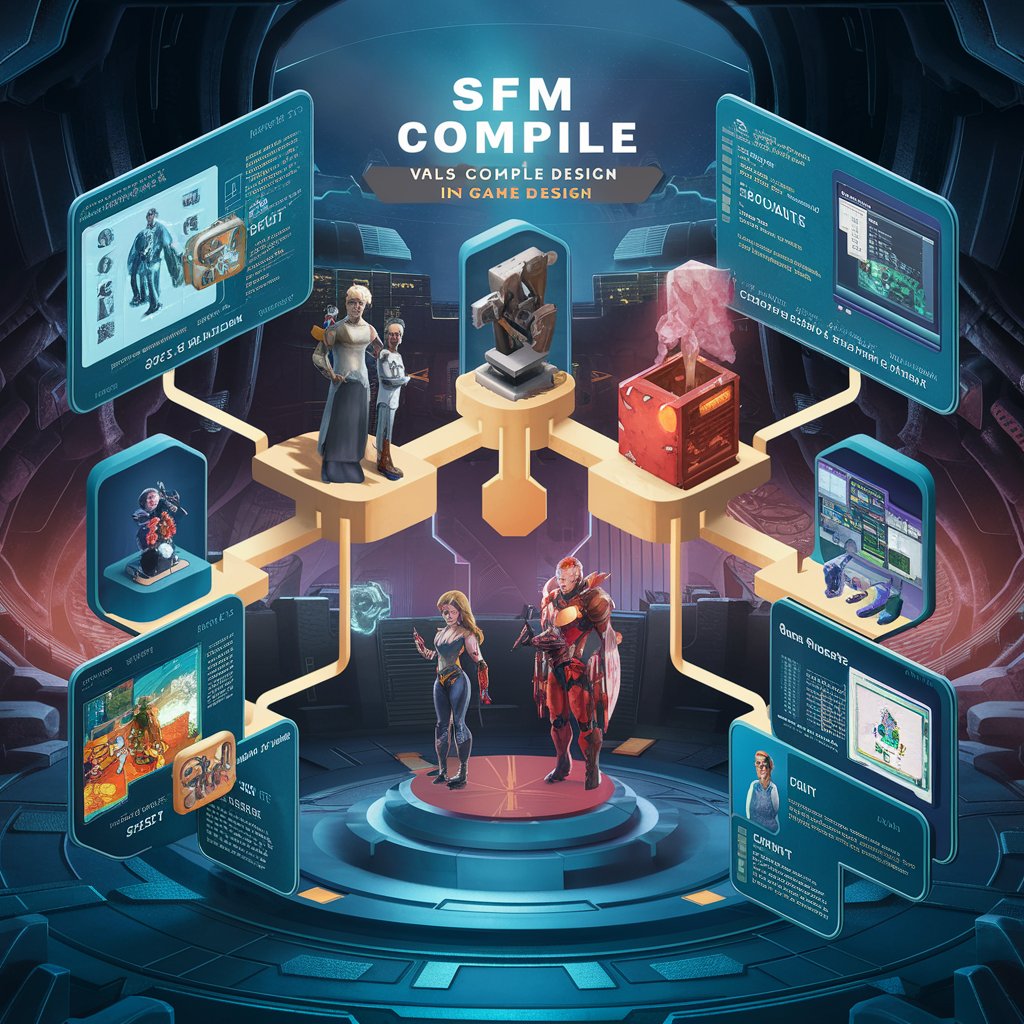
The term s f m compile is commonly searched by users working with Source Filmmaker who want to understand how assets, scenes, and models are prepared for use inside the software. While the word “compile” can sound highly technical, its role in Source Filmmaker is fundamental to how content functions correctly. Many users encounter this term when importing models, preparing custom assets, or troubleshooting issues related to missing textures or broken animations.
In Source Filmmaker, compiling refers to the process that converts raw source files into formats that the engine can recognize and use efficiently. Without this process, models and assets would remain unusable within the program. Understanding what SFM compile means helps users avoid confusion, improve workflow efficiency, and produce more stable and visually consistent projects.
What Is SFM Compile and Why Does It Exist?
SFM compile exists because Source Filmmaker relies on optimized asset formats to function smoothly. Raw files, such as unprocessed models or textures, are not designed for real-time rendering or animation playback. Compiling transforms these source materials into engine-ready assets that follow Source Filmmaker’s technical requirements.
This process ensures that models load correctly, animations play smoothly, and lighting behaves as expected within scenes. Without compiling, Source Filmmaker would struggle to interpret asset data, leading to errors, crashes, or performance issues. In this way, compiling acts as a bridge between creative content creation and real-time visualization.
How the SFM Compile Process Fits into Source Filmmaker Workflow
The SFM compile process is typically part of a larger content workflow that begins with asset creation and ends with final animation output. Artists or creators often start with raw models, textures, and materials created in external tools. These files must then be prepared in a way that Source Filmmaker can understand, which is where compiling becomes essential.
Once assets are compiled, they can be loaded into Source Filmmaker, placed into scenes, animated, and rendered. A proper compile ensures that assets behave predictably, which saves time during animation and reduces the likelihood of technical problems later in the project. This is especially important for larger scenes where performance and stability matter.
Common Reasons Users Search for “SFM Compile”
Many users search for s f m compile after encountering issues such as invisible models, missing textures, or assets that refuse to load correctly. These problems often stem from misunderstandings about how compiling works or why it is required. As a result, users turn to search engines looking for explanations rather than quick fixes.
Another reason for high search interest is learning progression. Beginners who move beyond basic animation quickly encounter compiling as they explore custom content. At this stage, understanding the concept becomes more important than memorizing steps, which is why detailed explanations rank well on Google.
Why SFM Compile Affects Performance and Quality
Compiling plays a significant role in how efficiently Source Filmmaker runs. Properly compiled assets are optimized for the engine, reducing unnecessary strain on system resources. This can lead to smoother playback, faster loading times, and fewer crashes during complex scenes.
Quality is also impacted by compiling because it determines how textures, materials, and animations are interpreted. When assets are compiled correctly, lighting behaves more realistically, textures display properly, and animations remain stable. Poorly compiled assets, on the other hand, can cause visual glitches that detract from the final result.
How Google Evaluates Content About SFM Compile
From an SEO standpoint, Google favors clear, educational explanations for technical topics like SFM compile. Articles that define the term, explain its purpose, and describe its role within the workflow tend to rank higher than short troubleshooting posts. This is because they satisfy broader user intent and remain useful over time.
Long-form content that addresses beginner and intermediate questions while maintaining clarity aligns well with Google’s helpful content guidelines. This approach builds authority and trust, which are critical for ranking technical topics.
Conclusion
SFM compile is a core concept in Source Filmmaker that ensures assets function correctly, perform efficiently, and maintain visual quality. While it may seem complex at first, compiling is simply the process that prepares raw content for use inside the engine. Understanding how and why it works helps users improve workflow, reduce errors, and create more polished animations. As Source Filmmaker projects become more advanced, knowledge of compiling becomes an essential part of creative success.
Frequently Asked Questions (FAQ)
What does SFM compile mean?
SFM compile refers to the process of converting raw asset files into formats that Source Filmmaker can load and use correctly.
Why is compiling important in Source Filmmaker?
Compiling ensures assets are optimized, stable, and compatible with the engine, improving performance and visual quality.
Is SFM compile only for advanced users?
No, beginners encounter compiling as soon as they start using custom models or assets in Source Filmmaker.
Can Source Filmmaker work without compiling assets?
No, uncompiled assets cannot be properly recognized or used by the Source Filmmaker engine.
Why do compiled assets sometimes cause issues?
Issues usually occur when assets are improperly prepared or compiled, leading to missing textures or unexpected behavior.