
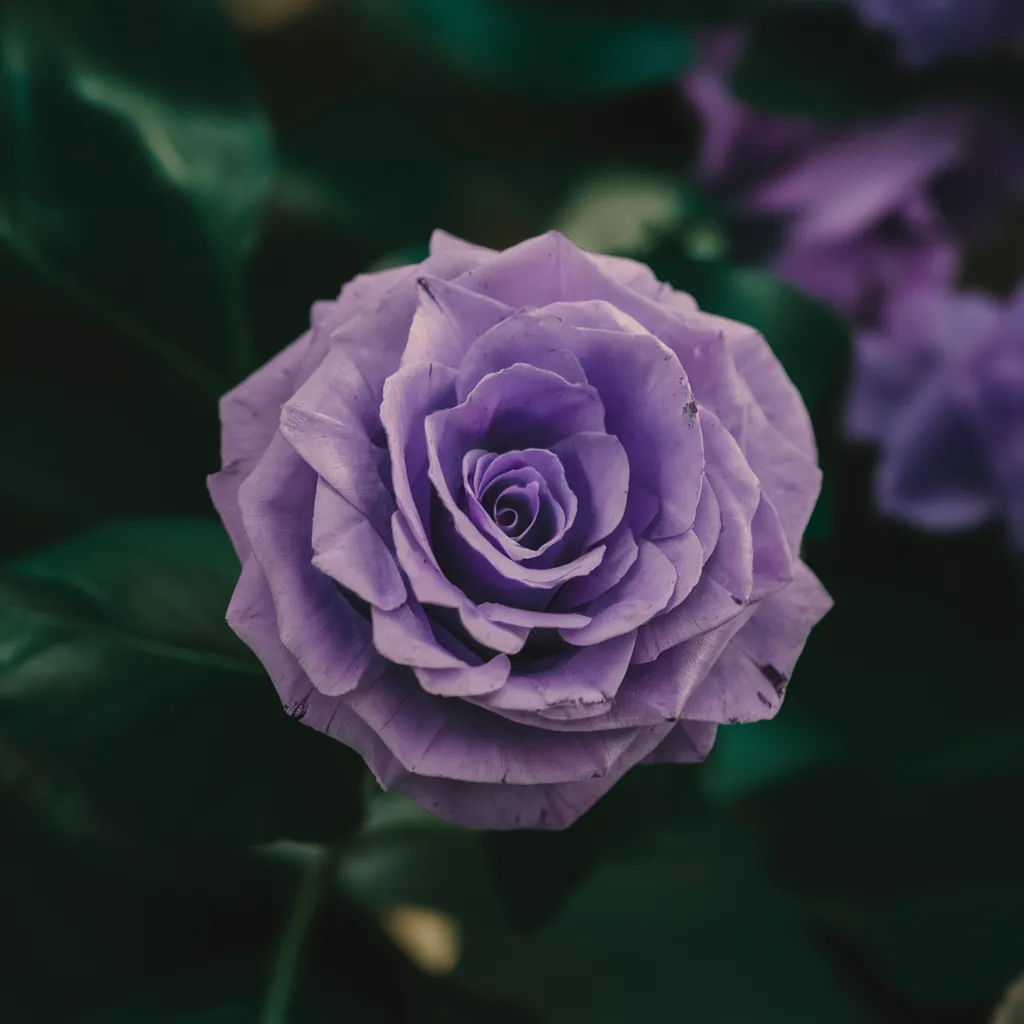
Violetness represents more than just a color it embodies a feeling, a state of mind, and a symbol of transformation. The color violet has long been associated with creativity, spirituality, and emotional depth. From ancient civilizations to modern design, violetness has carried a sense of mystery and sophistication that continues to captivate people across cultures. It is a color that bridges the gap between the physical and the spiritual, combining the calm stability of blue with the passionate energy of red. This unique balance gives violetness its powerful emotional and psychological influence. In this article, the concept of violetness will be explored in depth, including its meaning, symbolism, and how it continues to shape art, fashion, and human emotion.
The Meaning of Violetness
Violetness is often described as the essence of imagination and introspection. It represents the blending of opposites cool and warm, calm and energetic, physical and spiritual. Historically, violet was a color reserved for royalty and the elite because of the rarity and cost of violet dyes. Over time, it evolved into a symbol of luxury, wisdom, and enlightenment. In modern psychology, violetness is associated with creativity, compassion, and mindfulness. It encourages introspection and helps individuals connect with their inner selves. The meaning of violetness extends beyond aesthetics; it reflects a mindset of balance, transformation, and higher awareness.
The Symbolism of Violetness in Culture and Spirituality
Throughout history, violetness has held deep symbolic meaning in various cultures and spiritual traditions. In Western culture, violet is often linked to nobility, dignity, and ambition. In Eastern philosophies, it is connected to spiritual awakening and the crown chakra, which represents enlightenment and connection to the divine. The color’s dual nature combining the tranquility of blue and the intensity of red symbolizes harmony between the mind and the heart. Artists and spiritual leaders have long used violetness to represent transcendence, intuition, and the pursuit of truth. Whether in meditation, art, or fashion, violetness continues to evoke a sense of mystery and higher consciousness.
Violetness in Psychology and Emotion
The psychology of violetness reveals its profound impact on human emotion and behavior. Studies in color psychology suggest that violet can stimulate creativity, calm the mind, and inspire introspection. It is often used in environments designed for relaxation, healing, or artistic expression. Violetness can evoke feelings of peace and imagination, making it a popular choice in therapy spaces, meditation rooms, and creative studios. However, excessive use of violet can sometimes lead to feelings of detachment or melancholy, as it encourages deep thought and emotional sensitivity. When balanced with other colors, violetness promotes emotional harmony and mental clarity.
Violetness in Art and Design
In the world of art and design, violetness has always been a color of innovation and individuality. Artists such as Vincent van Gogh and Claude Monet used violet hues to convey emotion and depth in their paintings. In modern design, is often used to create a sense of luxury, sophistication, and creativity. Interior designers incorporate violet tones to add elegance and calmness to spaces, while graphic designers use it to attract attention and convey originality. The versatility of violetness allows it to adapt to both minimalist and bold aesthetics, making it a timeless choice in visual expression.
The Role of Violetness in Fashion and Branding
Fashion designers and brands frequently use to symbolize elegance, confidence, and creativity. The color’s association with royalty and prestige makes it a popular choice for luxury brands, while its spiritual undertones appeal to wellness and lifestyle industries. Violetness in fashion often represents individuality and self-expression, encouraging people to embrace their uniqueness. In branding, violet tones are used to convey innovation, imagination, and trust. Companies that want to appear visionary or emotionally connected often incorporate into their logos and marketing materials. This strategic use of color psychology helps brands stand out in competitive markets.
Violetness in Nature and Everyday Life
Nature offers countless examples of violetness, from lavender fields and amethyst crystals to twilight skies and blooming violets. These natural occurrences remind us of the beauty and serenity that brings to the world. The color’s presence in nature often symbolizes renewal, healing, and balance. In everyday life, incorporating violetness through clothing, décor, or art can promote calmness and creativity. Even small touches of violet such as flowers, candles, or accessories can transform a space or mood. Embracing in daily routines encourages mindfulness and appreciation for the harmony between beauty and emotion.
The Spiritual Energy of Violetness
Spiritually, violetness is often associated with transformation and enlightenment. It is believed to carry a high vibrational frequency that connects the physical and spiritual realms. In energy healing practices, violet light is used to cleanse negative energy and promote inner peace. The color is also linked to the crown chakra, which governs consciousness and spiritual connection. Practicing meditation or visualization with violet tones can enhance intuition and clarity. Many people use violet crystals, such as amethyst, to balance emotions and strengthen spiritual awareness. The energy of violetness serves as a reminder of the infinite potential within the human spirit.
Conclusion
Violetness is more than just a color it is a symbol of balance, creativity, and transformation. Its unique blend of calm and energy makes it one of the most powerful and versatile colors in both art and psychology. From its royal origins to its modern applications in design and spirituality, continues to inspire and influence human expression. Embracing in daily life can bring a sense of peace, imagination, and self-awareness. Whether through fashion, art, or meditation, the essence of violetness reminds us to seek harmony between the mind, body, and soul.
FAQs
1. What does violetness mean?
Violetness represents the essence of the color violet, symbolizing creativity, spirituality, and emotional balance. It combines the calmness of blue with the energy of red.
2. What emotions are associated with violetness?
Violetness evokes feelings of peace, imagination, and introspection. It can inspire creativity while promoting calmness and mindfulness.
3. How is violetness used in design and fashion?
Designers use violetness to convey luxury, sophistication, and originality. In fashion, it represents individuality and confidence.
4. What is the spiritual meaning of violetness?
Spiritually, violetness is linked to transformation, enlightenment, and the crown chakra, which represents higher consciousness and divine connection.
5. How can violetness be incorporated into daily life?
Violetness can be added through home décor, clothing, art, or meditation practices to promote creativity, calmness, and emotional harmony.