
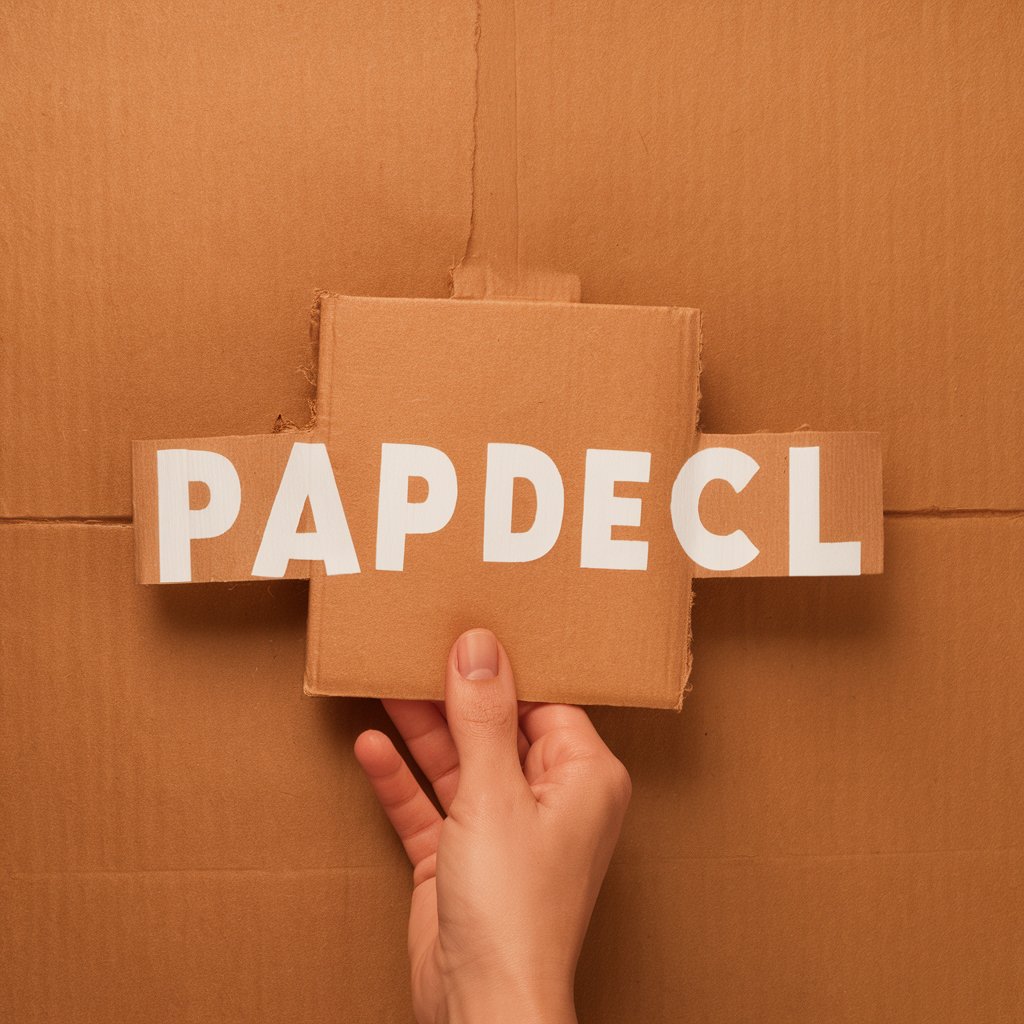
The word pappedeckel refers to a rigid paperboard material that is thicker and sturdier than ordinary paper yet more flexible and refined than heavy corrugated cardboard. Commonly used in German-speaking regions, pappedeckel has become an important material in packaging, crafts, publishing, and industrial design. As demand grows for cost-effective and environmentally responsible materials, pappedeckel continues to attract attention from manufacturers, designers, students, and sustainability-focused businesses.
Unlike lightweight paper products, pappedeckel is designed to maintain shape and structural stability under pressure. Its density allows it to protect items, support printed materials, and serve as a base layer in both functional and decorative applications. This combination of strength, versatility, and recyclability explains why pappedeckel remains widely used across multiple industries.
What Is Pappedeckel and How Is It Manufactured?
Pappedeckel is produced by compressing multiple layers of paper fibers into a dense sheet through controlled industrial processes. The raw material typically comes from recycled paper, which is broken down into pulp, filtered, and layered to achieve specific thickness and rigidity. These layers are then pressed and dried, resulting in a uniform board with consistent strength and surface quality.
Manufacturers can adjust the production process to meet different requirements, such as smoother surfaces for printing or increased density for structural support. This flexibility allows pappedeckel to be tailored for a wide range of applications, from packaging inserts to hardcover book binding. Because recycled materials are commonly used, the manufacturing process aligns well with modern sustainability standards.
Key Properties and Characteristics of Pappedeckel
One of the most important properties of pappedeckel is its balance between rigidity and workability. It is strong enough to hold shape and provide protection, yet easy to cut, fold, and glue. This makes it particularly valuable in industries where precision and adaptability are essential.
Pappedeckel also offers a smooth and stable surface that can be printed, laminated, or coated depending on the intended use. Its relatively low weight compared to thicker cardboard reduces transportation costs while still providing reliable performance. These characteristics make it an efficient and practical material choice.
Common Uses of Pappedeckel in Different Industries
Pappedeckel is widely used in packaging for items that require support without excessive bulk. It often appears as backing boards, protective layers, or inserts inside boxes. In publishing and stationery, pappedeckel is commonly used for book covers, folders, and presentation materials due to its durability and clean appearance.
In creative fields, artists and designers rely on pappedeckel for model making, displays, and prototypes. Educational institutions also use it extensively for teaching aids and visual materials. Its adaptability allows it to serve both functional and aesthetic purposes across a wide range of applications.
Pappedeckel vs Cardboard: Understanding the Difference
Although and cardboard are often confused, they serve different purposes. Cardboard, especially corrugated cardboard, is designed primarily for heavy-duty shipping and load-bearing applications. on the other hand, is more refined and is chosen when precision, appearance, and moderate strength are required.
From an environmental perspective, both materials are recyclable, but often contains a higher percentage of recycled fibers and requires less energy to produce. This makes it a preferred choice for companies aiming to reduce their environmental impact while maintaining product quality.
Sustainability and Environmental Impact of Pappedeckel
Sustainability is one of the strongest advantages of. Its production typically relies on recycled paper, reducing the demand for virgin raw materials and supporting circular economy practices. After use, can be recycled again, minimizing waste and environmental footprint.
As regulations and consumer expectations increasingly favor eco-friendly materials, fits well within modern sustainability goals. Many manufacturers now promote certified and responsibly sourced products to meet environmental standards.
Conclusion
Pappedeckel is a versatile and durable paperboard material that plays a vital role in packaging, publishing, crafts, and industrial design. Its unique combination of strength, flexibility, and sustainability makes it suitable for a wide range of applications. As industries continue to seek environmentally responsible and cost-effective materials, pappedeckel is likely to remain a reliable and widely used solution for years to come.
Frequently Asked Questions (FAQ)
What does pappedeckel mean?
Pappedeckel refers to a thick, rigid paperboard material commonly used for packaging, book covers, and creative projects.
Is pappedeckel the same as cardboard?
No, pappedeckel is generally thinner and more refined than corrugated cardboard, offering a balance between strength and flexibility.
Is pappedeckel environmentally friendly?
Yes, pappedeckel is often made from recycled paper and is fully recyclable, making it an eco-friendly material.
What are common uses of pappedeckel?
It is used in packaging, publishing, crafts, model making, and educational materials.
Can pappedeckel be printed or laminated?
Yes, pappedeckel can be printed, coated, or laminated depending on the application.