
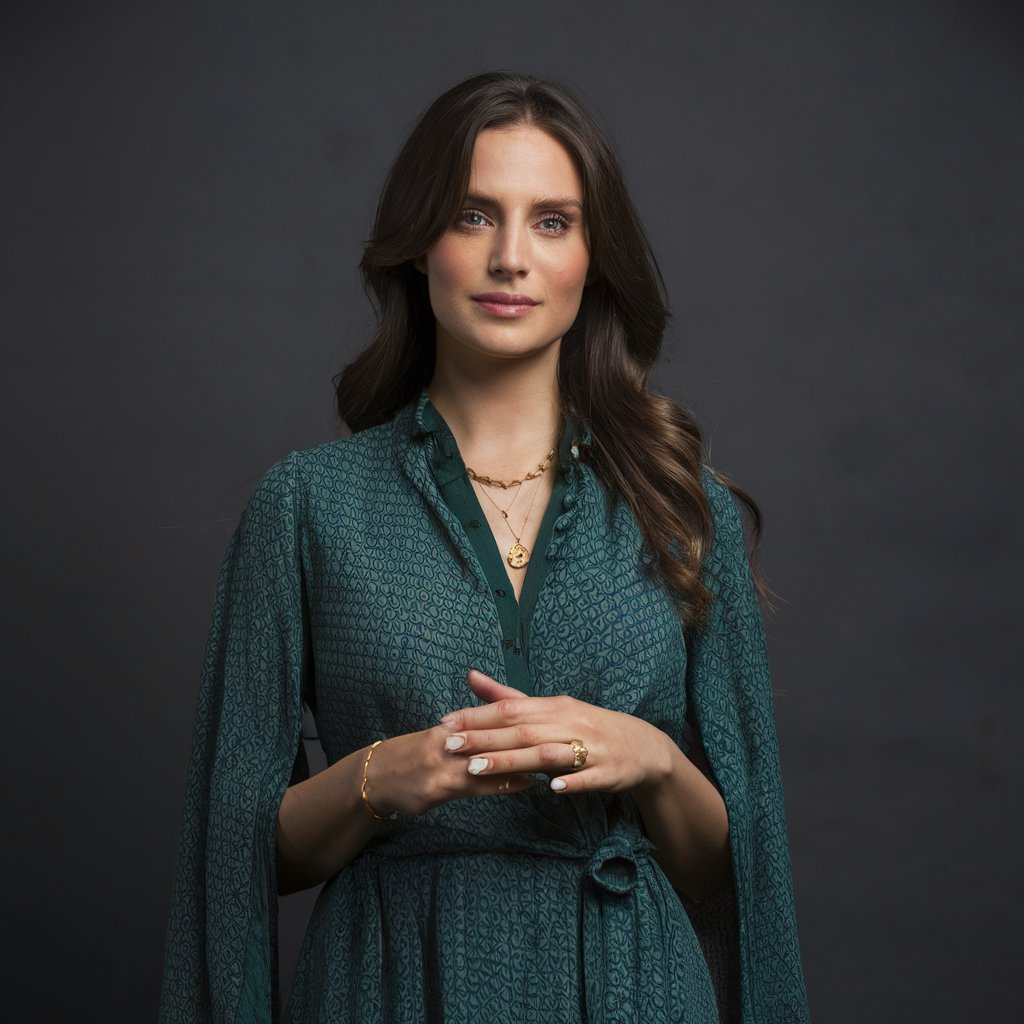
In an age where new words and cultural ideas rapidly emerge online, “Serlig” has caught the attention of people from digital creators and lifestyle bloggers to culture enthusiasts and mindful communicators. While the term doesn’t yet appear in standard dictionaries, its usage across multiple websites shows that it’s evolving into a multi‑layered concept with applications in language, digital culture, personal philosophy, aesthetics, and emotional well‑being.Over time, this simple meaning has expanded into broader interpretations that reflect personal presence, emotional authenticity, cultural expression, and digital identity in a world saturated with noise and distraction. For many users online, Serlig now represents calm intentionality, mindful engagement, and creative uniqueness, making it a powerful keyword to explore in a world where authenticity and genuine expression have become prized but elusive qualities.
The Meaning and Linguistic Origins of Serlig
At its origin, Serlig — or the related forms særligt, særligt, or serlig in Scandinavian languages — means something that is special, distinct, or unique. This interpretation carries through from older North Germanic and Old Norse roots, where words in this family were used to describe qualities that stand out from the ordinary. Unlike generic terms for difference or variety, Serlig implies a meaningful, distinguished kind of uniqueness — something intentionally set apart because it carries exceptional value, meaning, or purpose. This core idea of “exceptional quality” is what initially made the word useful in regional languages when describing special events, recognitions, or qualities that deserved notice, honor, or respect. Today, even as English‑speaking communities encounter the word online, this basic sense of “unique or special” remains foundational, forming the backbone of how Serlig is interpreted in broader cultural contexts.
Serlig as a Personal Philosophy and Lifestyle Concept
In modern usage, Serlig has developed far beyond a simple linguistic descriptor to become something of a philosophy or lifestyle ideal embraced across creative, psychological, and cultural conversations. Many interpret Serlig as a mindset centered on intentional presence, emotional authenticity, and meaningful engagement with the world and with others. Instead of seeking attention by amplifying noise or competing for higher visibility, the Serlig approach suggests that true distinction comes from depth, sincerity, and mindful interaction. This interpretation aligns with broader movements in wellness and emotional intelligence, where concepts like mindfulness, authentic communication, and emotional clarity are increasingly prized as counterbalances to digital fatigue and distracted living. In this framework, Serlig isn’t just something you are — it’s something you practice: choosing intentional choices, avoiding superficial interaction, and valuing quality over quantity in both communication and creative expression.
Serlig in Digital Culture and Creative Communities
Beyond individual mindset, Serlig has found traction in online culture, creative communities, social media spaces, and niche digital vocabularies where language evolves quickly and subtly. Digital natives — especially younger users on platforms like Twitter/X, Discord, Pinterest, and other community forums — use Serlig to describe content, interactions, or experiences that feel genuinely expressive, grounded, and relatable. In this context, Serlig relates to how authenticity manifests online: writing, visual content, or social interaction that feels real without being contrived. Unlike traditional marketing terms that often push polished, curated perfection, Serlig resonates because it captures nuanced authenticity rather than loud perfectionism. Posts and hashtags like #SerligMood, #SerligVibes, or #SerligLife often signal content that is honest, introspective, and connected to personal values rather than superficial trend chasing. This reflects a broader cultural shift toward valuing genuine connection and meaningful expression in a digital landscape that frequently prioritizes spectacle over substance.
Emotional and Psychological Dimensions of Serlig
Some interpretations expand Serlig into the emotional and psychological domain, linking it with states of calm, clarity, and grounded presence. In these subtle readings, Serlig reflects a balance between inner awareness and outward interaction, encouraging people to foster connection without losing themselves in the noise of rapid information flow. This aspect of Serlig aligns with emerging theories in emotional wellbeing that emphasize presence, vulnerability, and deep listening as keys to meaningful relationships and mental resilience. In an era where digital distraction is so pervasive, Serlig becomes more than a word — it becomes an invitation to slow down, be genuinely present, and engage with the world in a way that values connection and emotional depth over constant multitasking or performance.
Practical Uses of Serlig Across Contexts
Serlig carries different meanings depending on context, which is part of why it spreads quickly across diverse communities. In creativity and design, it might refer to aesthetic choices that feel refined, thoughtful, or understated, echoing principles of minimalism and quiet sophistication. In technology discussions, some writers use the term to describe frameworks or models that emphasize intentional design, resilience, and adaptive simplicity in tools or platforms. Because Serlig is still a relatively new term with fluid interpretation, it doesn’t describe one specific framework or product — instead, it signifies a set of qualities that many modern individuals and groups find meaningful: distinction, authenticity, intentional action, and thoughtful expression.
Conclusion
Serlig is more than just a word — it is a multifaceted concept that captures what it means to be distinct, intentional, and genuinely connected in today’s world. From its linguistic roots as a term meaning “special” or “unique” in Scandinavian languages to its broader adoption as a philosophy of mindful presence, emotional authenticity, and digital culture resonance, Serlig reflects a cultural shift toward meaning over noise. Whether interpreted as a style of living, a creative approach, or a digital cultural marker, Serlig encourages people to embrace thoughtfulness, authenticity, and clarity — qualities that enrich personal experience and deepen relationships. In a time when speed, performance, and superficial output often dominate online spaces, Serlig offers an alternative vocabulary for intentional, meaningful engagement that acknowledges what it means to be truly present and uniquely expressive.
❓ Frequently Asked Questions (FAQ)
Q1: What does Serlig mean?
Serlig originally refers to something special, unique, or particular, especially in North Germanic languages like Danish and Norwegian, but its meaning has expanded into modern cultural and digital usage.
Q2: Is Serlig an official word in English?
No — Serlig is not yet a standard English dictionary word. It exists mainly in cultural and online contexts where language evolves organically and creatively.
Q3: How is Serlig used in digital culture?
In digital spaces, Serlig describes content, behaviors, or identities that feel genuine, intentional, and grounded rather than superficial or performative.
Q4: Can Serlig be a personal philosophy?
Yes — many people use Serlig as a mindset emphasizing presence, authenticity, and intentional action in daily life and interpersonal relationships.
Q5: Why is Serlig gaining attention today?
Serlig resonates because it reflects a broader cultural desire for authenticity, meaningful connection, and emotional clarity in an increasingly distracted and digitally saturated world.