
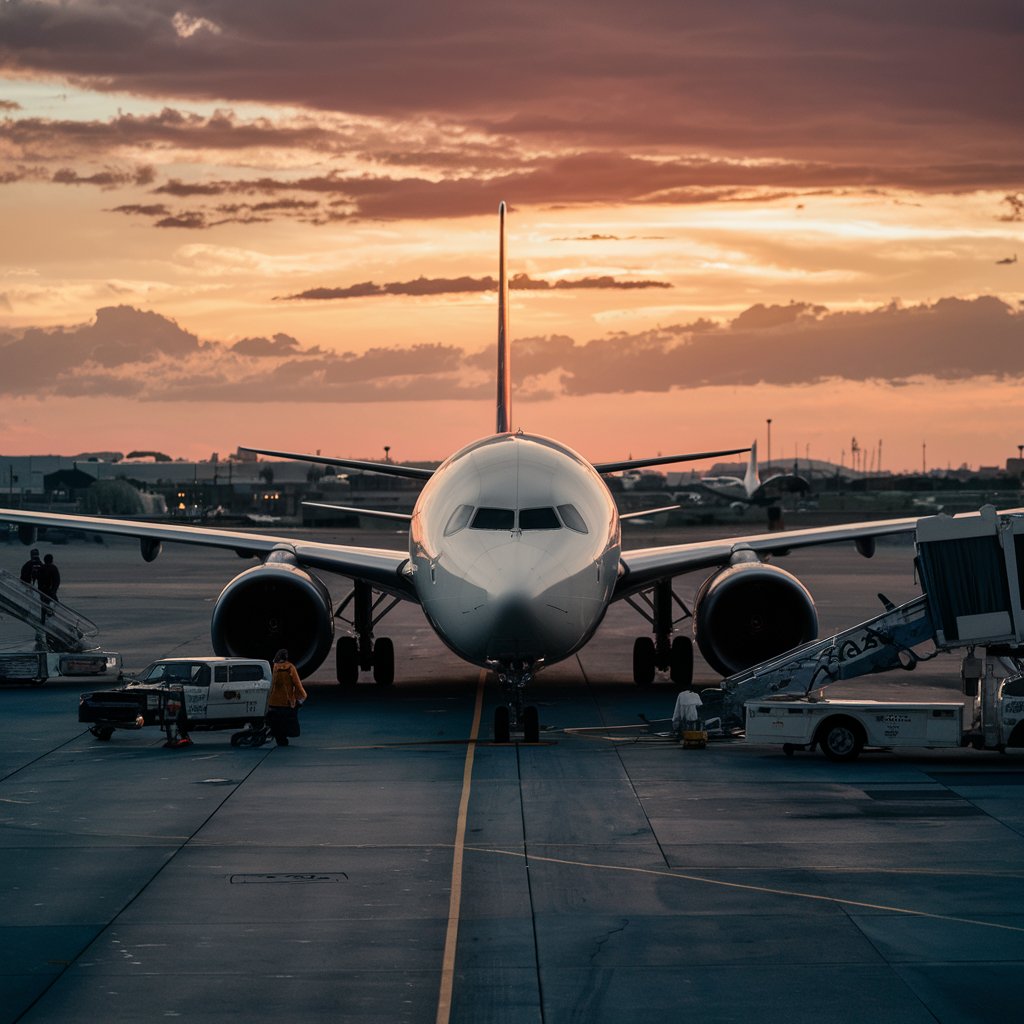
Air travel incidents, while rare, often capture public attention due to their unexpected nature and the safety concerns they raise. One such event that recently made headlines was when Delta Flight DL275 Diverted to LAX(Los Angeles International Airport). The flight, which was originally scheduled to travel from Seattle to Seoul, experienced an in-flight issue that prompted the crew to make an unscheduled landing in Los Angeles. While diversions are not uncommon in aviation, each case provides valuable insight into airline safety protocols, crew decision-making, and passenger management during emergencies. This article provides a comprehensive overview of the Delta Flight DL275 diversion, including the reasons behind it, the airline’s response, and what passengers experienced during the incident.
What Happened to Delta Flight DL275?
Delta Flight DL275, a long-haul international flight operated by Delta Air Lines, was en route from Seattle-Tacoma International Airport (SEA) to Incheon International Airport (ICN) in Seoul, South Korea. Midway through the journey, the flight crew detected a potential technical issue that required immediate attention. Following standard aviation safety protocols, the pilots decided to divert the aircraft to Los Angeles International Airport (LAX), one of the largest and best-equipped airports on the West Coast.
The decision to divert was made out of an abundance of caution to ensure the safety of all passengers and crew members. Upon landing, the aircraft was met by emergency response teams and maintenance personnel who conducted a thorough inspection. While the exact nature of the issue was not immediately disclosed, Delta confirmed that the diversion was precautionary and that passenger safety was never compromised.
Reasons Behind the Diversion
In aviation, diversions can occur for a variety of reasons, including medical emergencies, mechanical issues, weather conditions, or airspace restrictions. In the case of Delta Flight DL275 diverted to LAX, preliminary reports suggest that the diversion was due to a technical or mechanical concern identified during the flight.
Modern aircraft are equipped with advanced monitoring systems that alert pilots to any irregularities in real time. When such alerts occur, pilots must assess the situation and determine whether it is safe to continue to the destination or if a diversion is necessary. In this instance, Los Angeles was chosen because it offered the necessary facilities, maintenance support, and runway capacity to handle a large international aircraft safely.
The decision to divert is always made with passenger safety as the top priority. Even minor technical warnings can prompt a diversion if the crew believes it is the safest course of action.
Passenger Experience During the Diversion
Passengers aboard Delta Flight DL275 reported that the crew handled the situation calmly and professionally. The captain made announcements explaining the diversion and reassuring passengers that there was no immediate danger. Cabin crew members followed established safety procedures, ensuring that everyone remained seated and informed throughout the descent and landing.
Upon arrival at LAX, passengers were asked to remain on board while maintenance teams inspected the aircraft. Delta provided updates and assistance, arranging accommodations and rebooking flights for those continuing to Seoul. Many passengers praised the airline’s communication and professionalism during the incident, noting that the diversion, while inconvenient, was handled with care and efficiency.
Delta Air Lines’ Official Response
Following the incident, Delta Air Lines issued a statement confirming that Flight DL275 had been diverted to Los Angeles due to a technical issue. The airline emphasized that the diversion was precautionary and that the aircraft landed safely without incident. Delta also expressed gratitude to its crew for their professionalism and to passengers for their patience and understanding.
The airline’s maintenance team conducted a detailed inspection of the aircraft to identify and resolve the issue before resuming operations. Delta reiterated its commitment to safety, noting that its pilots and crew are trained to handle such situations with precision and composure.
Aviation Safety and Diversions
The Delta Flight DL275 diversion to LAX serves as a reminder of how robust aviation safety systems are in modern air travel. Diversions, while disruptive, are a normal part of airline operations and demonstrate the effectiveness of safety protocols. Every commercial flight is equipped with redundant systems, and pilots undergo extensive training to manage in-flight irregularities.
Airlines like Delta follow strict maintenance schedules and safety checks to minimize risks. When an issue arises, the decision to divert is made collaboratively between the flight crew and airline operations control, ensuring that the safest and most practical solution is implemented.
In this case, the successful diversion and safe landing at LAX highlight the professionalism of Delta’s crew and the reliability of modern aviation technology.
The Aftermath and Passenger Support
After the diversion, Delta Flight DL275 passengers were accommodated in Los Angeles while the airline worked to resolve the technical issue. Delta provided hotel stays, meal vouchers, and rebooking options for affected travelers. The airline’s customer service team also assisted passengers with connecting flights and travel arrangements.
Such responses are part of Delta’s broader commitment to customer care. The airline’s proactive approach in handling diversions ensures that passengers experience minimal disruption and receive timely assistance.
The Importance of Communication During Flight Diversions
One of the key takeaways from the Delta Flight DL275 diverted to LAX incident is the importance of clear communication. Passengers often feel anxious during unexpected events, and timely updates from the crew can make a significant difference. Delta’s crew maintained transparency throughout the process, explaining the situation and reassuring passengers that safety was the top priority.
Effective communication not only builds trust but also helps maintain order and calm during potentially stressful situations. This incident underscores how well-trained airline staff can turn a challenging situation into a demonstration of professionalism and care.
Conclusion
The Delta Flight DL275 diversion to LAX is a testament to the strength of modern aviation safety systems and the professionalism of airline crews. While diversions can be inconvenient, they are always made with passenger safety as the foremost concern. Delta Air Lines handled the situation with transparency, efficiency, and care, ensuring that all passengers remained safe and informed throughout the process. The incident serves as a reminder that even in unexpected circumstances, the aviation industry’s commitment to safety and reliability remains unwavering.
FAQs
1. What happened to Delta Flight DL275?
Delta Flight DL275, traveling from Seattle to Seoul, was diverted to Los Angeles International Airport due to a technical issue detected during the flight.
2. Why was Delta Flight DL275 diverted to LAX?
The diversion was made as a precautionary measure after the crew identified a potential mechanical concern that required immediate inspection.
3. Was anyone injured during the diversion?
No, all passengers and crew members were safe, and the aircraft landed without incident.
4. How did Delta handle the situation?
Delta provided clear communication, arranged accommodations for passengers, and conducted a thorough inspection of the aircraft before resuming operations.
5. Are flight diversions common?
Yes, diversions occur occasionally in aviation for reasons such as weather, medical emergencies, or technical issues. They are standard safety procedures.
6. How do pilots decide where to divert a flight?
Pilots choose the nearest suitable airport that can safely accommodate the aircraft and provide the necessary maintenance or medical support.
7. Did Delta Flight DL275 continue to Seoul after the diversion?
After the aircraft was inspected and cleared, passengers were rebooked on alternate flights to Seoul.
8. What should passengers do during a flight diversion?
Passengers should remain calm, follow crew instructions, and wait for updates from the airline regarding next steps.
9. How does Delta ensure passenger safety during such incidents?
Delta follows strict safety protocols, and its crews are trained to handle in-flight irregularities with professionalism and care.
10. What can travelers learn from the Delta Flight DL275 diversion?
The incident highlights the importance of aviation safety systems, effective communication, and the professionalism of airline crews in ensuring passenger well-being.