
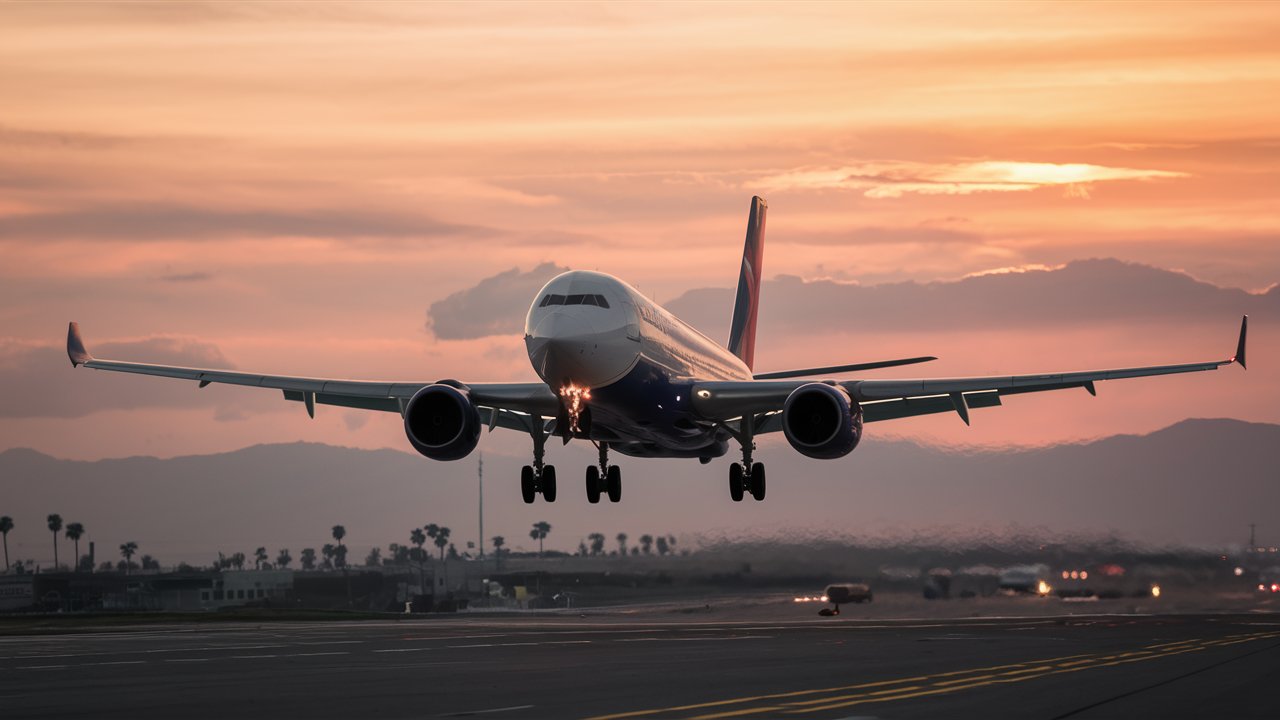
In the world of aviation, unexpected diversions are not uncommon, but they always capture public attention—especially when they involve major airlines and international routes. Recently, Delta Flight DL275 diverted to LAX (Los Angeles International Airport) after departing from its original route, sparking curiosity and concern among passengers and aviation enthusiasts alike. The incident raised questions about what caused the diversion, how airlines handle such situations, and what passengers can expect when a flight is unexpectedly rerouted. This article provides a comprehensive look at the Delta Flight DL275 diversion to LAX, exploring the reasons behind it, the airline’s response, and the broader implications for air travel safety and operations.
What Happened to Delta Flight DL275?
Delta Flight DL275, a long-haul international flight operated by Delta Air Lines, was en route from its departure city to its intended destination when it was unexpectedly diverted to Los Angeles International Airport (LAX). According to initial reports, the diversion was made as a precautionary measure due to a potential technical issue detected mid-flight. The flight crew, following standard aviation safety protocols, decided to reroute the aircraft to the nearest major airport capable of handling large international jets and providing immediate maintenance support. LAX, being one of the busiest and most well-equipped airports in the United States, was the logical choice for the diversion.
Reasons Behind the Diversion
While the exact cause of the Delta Flight DL275 diversion to LAX has not been officially confirmed, preliminary information suggests that it may have been related to a mechanical or technical irregularity. In modern aviation, even minor anomalies can prompt a diversion, as airlines prioritize passenger safety above all else. Other possible factors could include medical emergencies, weather conditions, or airspace restrictions. Regardless of the reason, Delta’s decision to divert the flight demonstrates the airline’s commitment to maintaining the highest safety standards. Diversions are costly and inconvenient, but they are a critical part of ensuring that every flight concludes safely.
The Passenger Experience During the Diversion
For passengers aboard Delta Flight DL275, the diversion to LAX was undoubtedly unexpected. However, reports indicate that the crew handled the situation with professionalism and transparency. Passengers were informed promptly about the diversion and reassured that it was a precautionary measure. Upon landing at LAX, Delta’s ground staff assisted travelers with rebooking, accommodations, and onward travel arrangements. Many passengers praised the airline’s communication and efficiency, noting that the crew’s calm demeanor helped maintain order and reduce anxiety. Such responses highlight the importance of well-trained flight crews and effective crisis management in maintaining passenger trust during unforeseen events.
Delta Air Lines’ Response and Safety Protocols
Delta Air Lines has long been recognized for its strong safety record and operational excellence. Following the DL275 diversion to LAX, the airline issued a statement emphasizing that the decision to divert was made out of an abundance of caution. Delta’s maintenance teams immediately inspected the aircraft upon arrival to identify and address any potential issues before the flight could continue. The airline also ensured that passengers were accommodated and compensated according to its customer service policies. This swift and transparent response reflects Delta’s adherence to strict safety protocols and its commitment to minimizing disruption while prioritizing passenger well-being.
The Role of LAX in Emergency Diversions
Los Angeles International Airport (LAX) plays a crucial role in handling emergency diversions for transpacific and domestic flights. As one of the largest and most advanced airports in the world, LAX is equipped with extensive maintenance facilities, medical services, and logistical support for large aircraft. When Delta Flight DL275 diverted to LAX, the airport’s emergency response teams were ready to assist, ensuring a smooth landing and efficient coordination with Delta’s operations center. The ability of LAX to handle such situations underscores its importance as a strategic hub for international aviation safety and reliability.
The Importance of Diversions in Aviation Safety
Diversions like the one involving Delta Flight DL275 are a normal and essential part of aviation safety. They are not signs of failure but rather evidence of the aviation industry’s proactive approach to risk management. Every commercial flight is monitored in real time by both the airline’s operations center and air traffic control. When an irregularity is detected—whether mechanical, medical, or environmental—the decision to divert is made swiftly to ensure the safety of everyone on board. These procedures are the result of decades of experience, technological advancement, and rigorous training, all designed to make air travel one of the safest modes of transportation in the world.
Passenger Rights and Airline Responsibilities
When a flight like Delta DL275 is diverted, passengers are entitled to certain rights and services under airline policies and international aviation regulations. Delta, like most major carriers, provides assistance such as meal vouchers, hotel accommodations, and rebooking options for affected travelers. The airline also communicates updates through multiple channels, including email, text messages, and airport announcements. Passengers are encouraged to stay informed and cooperate with airline staff during such events, as diversions are handled with precision and care to ensure minimal inconvenience.
Lessons Learned from the Delta Flight DL275 Diversion
The Delta Flight DL275 diversion to LAX serves as a reminder of the complexity and precision involved in modern aviation. It highlights the importance of preparedness, communication, and collaboration between flight crews, ground staff, and airport authorities. For passengers, it reinforces the need to remain calm and trust the expertise of aviation professionals. For airlines, it underscores the value of continuous training, maintenance, and investment in safety technologies. Ultimately, the incident demonstrates that even in unexpected circumstances, the aviation industry’s commitment to safety remains unwavering.
Conclusion
The Delta Flight DL275 diversion to LAX is a testament to the professionalism and safety-first mindset that defines modern air travel. While diversions can be inconvenient, they are crucial for ensuring that passengers and crew arrive safely at their destination. Delta Air Lines’ swift response, combined with the support of LAX’s world-class facilities, ensured that the situation was handled efficiently and transparently. As aviation continues to evolve, incidents like this remind us that safety is not just a priority—it is the foundation of the entire industry. Passengers can take comfort in knowing that every decision made during a flight, even an unexpected one, is guided by the unwavering goal of protecting lives.
FAQs
1. What happened to Delta Flight DL275?
Delta Flight DL275 was diverted to Los Angeles International Airport (LAX) due to a precautionary measure following a potential technical issue detected mid-flight.
2. Why was the flight diverted to LAX specifically?
LAX was chosen because it is a major international hub equipped with advanced maintenance facilities and emergency response capabilities.
3. Were passengers safe during the diversion?
Yes, all passengers and crew were safe. The diversion was made as a precaution, and the flight landed without incident.
4. How did Delta handle the situation?
Delta provided clear communication, rebooking assistance, and accommodations for affected passengers while inspecting the aircraft for safety.
5. What are common reasons for flight diversions?
Flights can be diverted due to technical issues, medical emergencies, weather conditions, or airspace restrictions.
6. Do passengers receive compensation for diversions?
Depending on the circumstances, airlines may offer compensation, meal vouchers, or hotel accommodations for significant delays or disruptions.
7. How often do flight diversions occur?
Diversions are relatively rare but are a normal part of aviation safety procedures when unexpected issues arise.
8. What happens to the aircraft after a diversion?
The aircraft undergoes a thorough inspection and maintenance check before being cleared for its next flight.
9. How does LAX handle emergency diversions?
LAX has specialized teams and facilities to manage emergency landings, ensuring safety and efficiency for diverted flights.
10. What can passengers do during a diversion?
Passengers should remain calm, follow crew instructions, and stay informed through airline updates to ensure a smooth and safe experience.